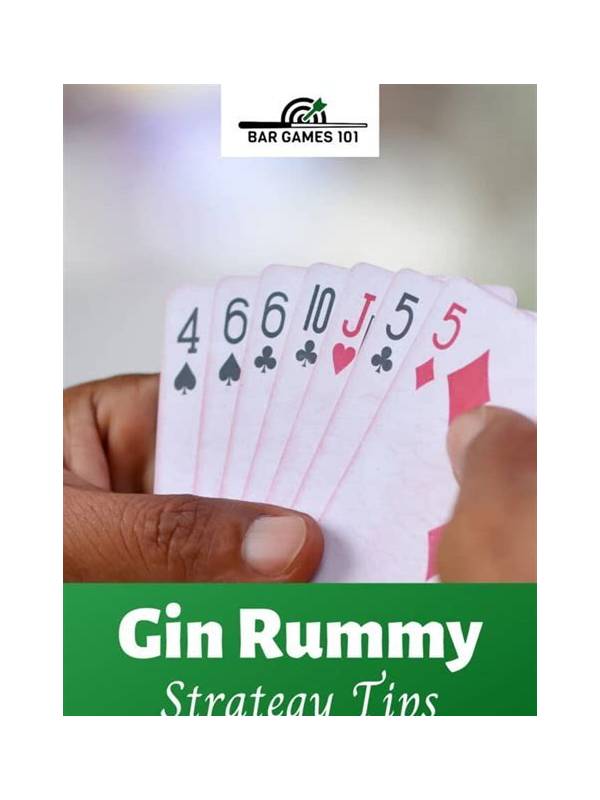
Rummy Safety: Set a Stop Rule Before You Start
Responsible play is easier when the decision to stop is made before emotions and momentum enter the session. A stop rule is a simple boundary: a time, spending, or concentration limit that ends play when reached. It should be specific enough to follow without negotiating with yourself.
Choose the boundary that matches your risk. A time rule might end a session after forty-five minutes. A spending rule might limit the amount you are willing to lose, using only money that is genuinely disposable. A focus rule might end play when you notice repeated rushed clicks, frustration, or difficulty following the cards. Using more than one rule gives you protection when one signal is easy to ignore.
Write the rule in plain language. “I will stop at 10:30, regardless of the result” is stronger than “I will play briefly.” “I will not add funds after the planned amount” is clearer than “I will be careful.” If the platform offers deposit limits, session reminders, or self-exclusion tools, configure them before joining a table and check what each setting actually does.
Do not use a win or loss as permission to extend the session. A positive result can create overconfidence, while a loss can create an urge to recover quickly. Both feelings make the original plan vulnerable. If you want flexibility, schedule a separate review period after a break rather than changing the rule mid-hand.
Make stopping easy. Finish the current hand if the rules and safety boundary allow it, record the result, and close the app. Remove shortcuts that encourage an immediate return. If you play socially, tell a trusted person your planned end time. Externalizing the boundary can make it less tempting to reinterpret.
A stop rule is not a judgement about skill. Even a strong player benefits from protecting sleep, work, finances, and mood. Review the rule occasionally and adjust it only while calm and away from play. The purpose is consistency: the session ends because the agreed condition occurred, not because the latest outcome happened to feel acceptable. If a limit is repeatedly difficult to follow, treat that as a signal to strengthen the boundary. Use platform controls where available, take a longer break, or choose a non-monetary practice mode. A stop rule should support your wider priorities. It succeeds when it helps you leave with control, regardless of whether the hand ended in a win or a loss.
Related Post

Rummy Notifications: Which Alerts Deserve Your Attention
Reviewing notification settings can reduce distraction while keeping important account and game messages visible. [...]
Rummy Tips: Track Information Without Guessing an Opponent’s Hand
Learn to observe useful signals while keeping uncertain conclusions separate from facts. [...]