Rummy FAQ: When Should You Split a Set?
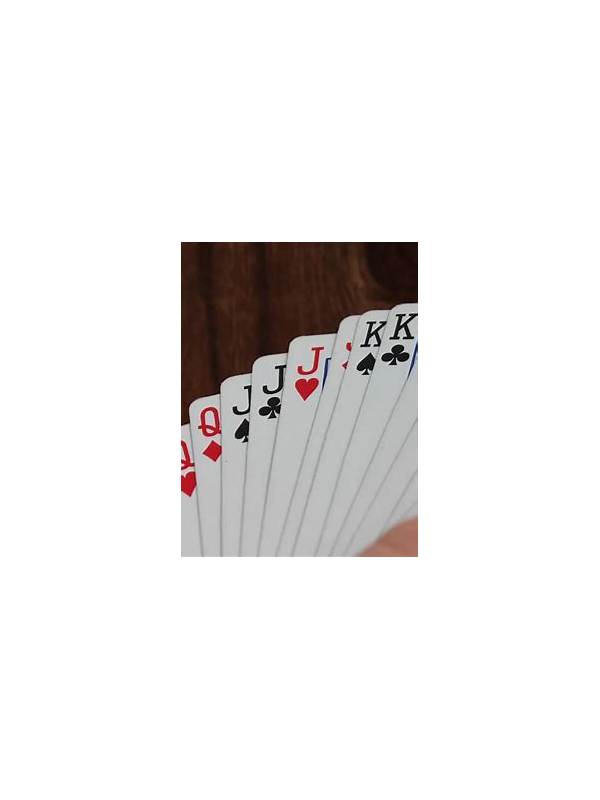
A complete set feels valuable because it is already organized, but it is not automatically untouchable. The right question is whether breaking it improves the legal structure of the whole hand. That answer depends on the format, the cards released, and the alternatives available.
Start by checking whether the set is required for a declaration or simply convenient. If it satisfies a mandatory condition, splitting it may create a serious problem. Confirm the rules before applying a general strategy.
Then identify the exact replacement. “This set could become a sequence” is incomplete unless you can name the cards and explain how the remaining cards will be grouped. A replacement that needs several specific draws should be treated as a narrow experiment, not as an established improvement.
Consider the cost of each card in the set. A card that connects two strong structures may have more strategic value outside the set, while an isolated duplicate may be the least disruptive piece to move. Do not split a set simply because one card looks attractive in another route.
Set a review point before acting. If the new plan fails to gain support within a defined number of turns, return to a simpler structure or release the weakest component. This prevents the split from becoming an emotional commitment.
Finally, compare the whole-hand result with keeping the set. Count legal groups, point exposure, flexibility, and fallback quality for both choices. A visually exciting sequence is not enough if it leaves several ungrouped cards. In practice, splitting is most defensible when it produces a confirmed or nearly confirmed requirement, reduces high-value exposure, and leaves a clear second route. When those conditions are absent, the intact set usually provides useful stability while you gather better information.
Splitting can be a learning experiment even when it is not the strongest live choice. Label it clearly and evaluate its cost afterward. Did the new route improve legal groups or only look attractive? Be cautious when the set contains a bridge card for two sequences. Lay out the entire hand, mark shared cards, and compare complete structures before moving anything.
The safest comparison is made before the split, while both structures are visible. Once cards are moved, the original arrangement can be forgotten. A brief written baseline keeps the experiment honest and makes later review much easier.
If the split creates uncertainty about a mandatory group, treat that uncertainty as a warning to wait.
Related Post

Rummy Strategy: Separate Visible Progress From Real Progress
Learn to judge whether a hand is genuinely improving instead of counting attractive but incomplete [...]
Rummy Safety: Check App Permissions Before Installing
Learn which permission questions to ask before installing a rummy app or enabling an update. [...]