Rummy How-To: Rehearse a Declaration Check
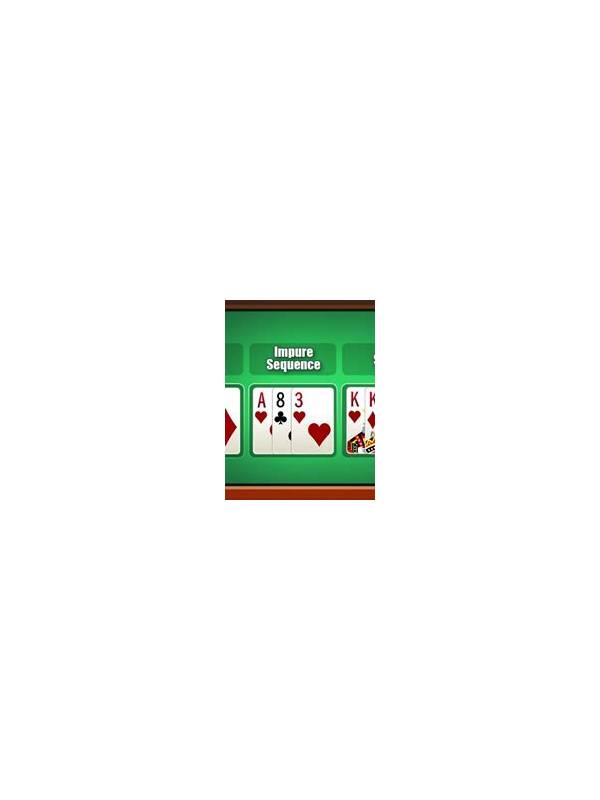
A declaration check should be a routine, not a last-second guess. Rehearsing it during practice makes the process faster and reduces the chance that excitement will hide an incomplete group.
First, confirm the format. Different variants can use different hand sizes, sequence requirements, joker rules, and scoring conditions. Keep a concise version of the applicable rules nearby, but avoid relying on a memory from another table.
Next, separate your cards into proposed groups. Name each group aloud or silently: natural sequence, sequence using a permitted wild card, or set. If a group depends on a special rule, mark it rather than assuming the rule applies. The naming step forces you to inspect structure instead of seeing a pleasing visual pattern.
Now check the required minimums. Many formats require a particular kind of sequence or a certain number of valid groups. Count those requirements independently from the total number of cards. A hand can contain several attractive sets and still fail because a mandatory sequence is missing.
Look for duplicated use. Every physical card should belong to one declared group. A middle card may appear to support two possible sequences during planning, but it cannot usually be counted in both groups at the same time. Move uncertain cards between alternatives until the final arrangement is unambiguous.
Finally, pause for a confirmation check. Verify that the interface shows the intended action, the table is still active, and no warning or rule message has been overlooked. Never rush because another player appears impatient. If the rules or interface are unclear, stop and seek clarification through the proper channel.
Practice this sequence with random hands and with deliberately awkward examples. The goal is not speed alone. It is a reliable order: format, groups, minimums, unique card use, and confirmation. A calm checklist protects both accuracy and confidence.
Include an attractive but invalid grouping, a hand with several possible joker uses, and a hand with an interface warning. These examples train the pause that a clean hand does not require. If the application offers a preview, read its action label instead of assuming it catches every error. When a technical problem interrupts the process, do not repeat an account action blindly; document the general issue and use official support.
After several rehearsals, shorten the wording while keeping the order. The aim is a dependable sequence that fits into a few seconds of attention. If a rule cannot be recalled confidently, the correct next step is verification, not a faster declaration.
Related Post

Rummy Safety: Verify an App Update Before Installing It
A short update check can reduce the risk of installing a modified or misleading rummy [...]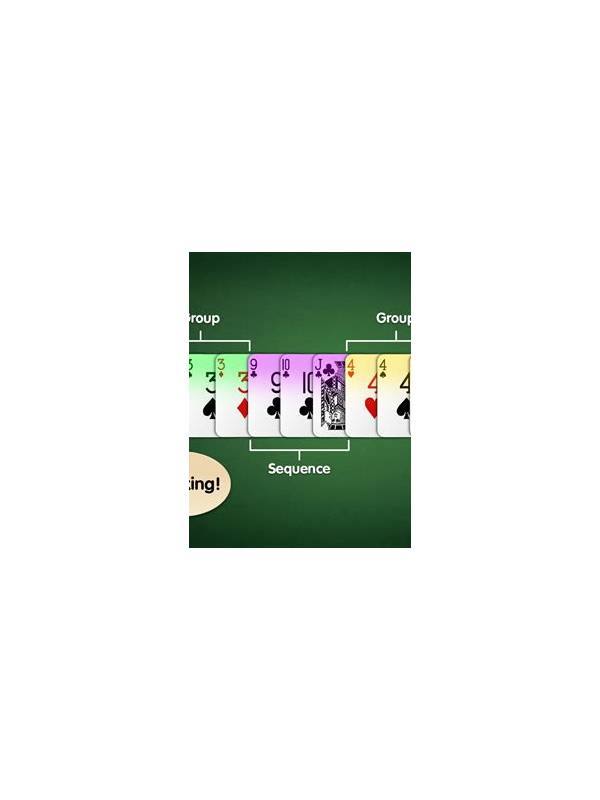
How to Review a Rummy Hand After It Ends
A simple post-hand review can reveal process errors without blaming every loss on bad luck. [...]