Rummy FAQ: When Should You Stop Chasing a Missing Card?
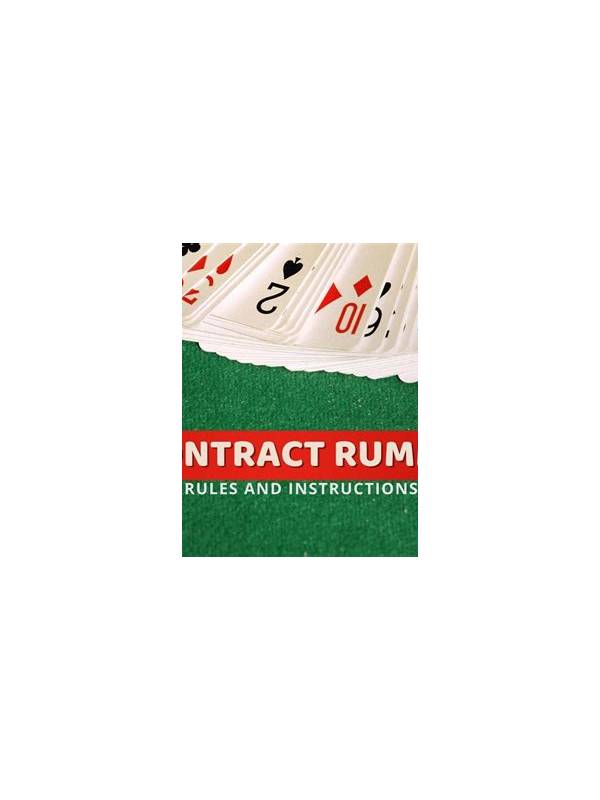
Chasing a missing card becomes costly when one hoped-for draw controls too much of the hand. The card may still arrive, but the decision should account for what happens if it does not. A stopping rule protects you from turning a promising start into a collection of stranded cards.
First, count the useful cards rather than repeating the name of the missing one. If only one rank or one exact card completes the route, the draw is narrow. If several cards extend it and the resulting group remains flexible, the route has more room. Known discards and visible melds can reduce the realistic supply, so update the count as the hand develops.
Second, check the opportunity cost. What are you refusing to discard while you wait? A low-point connector may be affordable to hold. A high card, duplicate that blocks sorting, or card needed for another reliable route may be too expensive. The chase should be compared with the best alternative, not with an empty hand.
Third, set the checkpoint before the next draw. You might keep the route through one more reasonable opportunity, or release it if the required card becomes visibly less available. A checkpoint is not a prediction that the card will arrive. It is a promise to reassess when the evidence changes.
Stop chasing when the route is narrow, costly, and no longer better than the alternatives. Release the dependent cards together when possible so the hand can be evaluated cleanly. The decision may feel disappointing, but a timely reset preserves future choices. In rummy, patience is useful only when it is attached to a clear reason and an exit. The stopping rule should be based on the hand, not on the number of turns already invested. Ten turns of waiting do not make the next draw more likely. At the same time, a route with many useful cards may deserve continued attention even after several misses. Compare current evidence, remaining flexibility, and penalty exposure each time. Once you stop, remove the chase from your mental inventory so that the released cards can be evaluated honestly. A clean break is easier than trying to pretend you are no longer waiting. A good stopping decision can feel like giving up, but it is really a change in resource allocation. The released cards can support a wider plan, and your attention can return to what is actually available rather than what is merely hoped for.
Related Post
Rummy Session Breaks: Signs It Is Time to Pause
Recognizing fatigue and emotional pressure early helps keep rummy sessions recreational and controlled. [...]
Rummy Table Layout: Why Consistent Organization Helps
A consistent card layout reduces visual searching and makes hand verification easier during online rummy. [...]