Rummy Session Breaks: Signs It Is Time to Pause
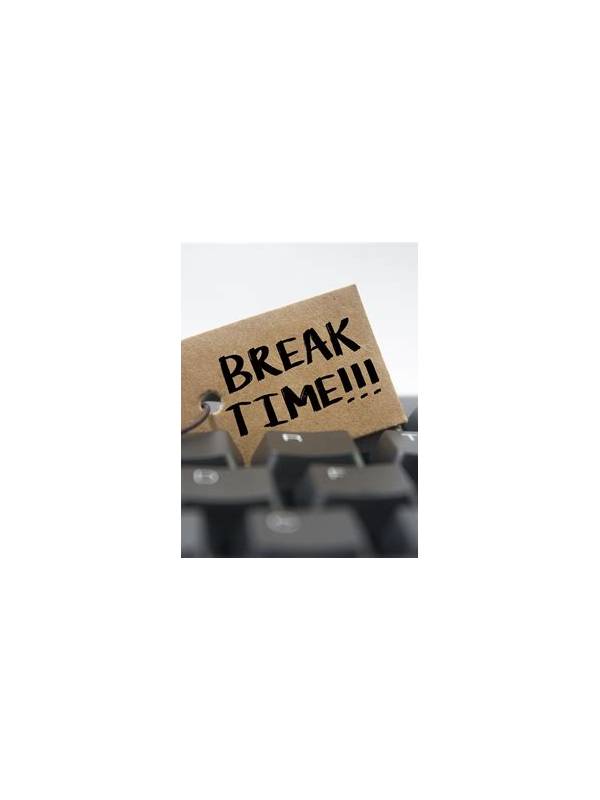
Breaks are useful even when a game is going well. Card decisions require attention, and fatigue can make a familiar rule look unclear. Decide in advance how often you will pause, then step away from the screen for a few minutes. Stretch, drink water, and return only if you still feel comfortable continuing.
Certain signs call for an immediate pause: repeatedly missing the timer, clicking without reading, feeling unusually irritated, or thinking about recovering a previous loss. Another warning is hiding the length or cost of play from people close to you. These feelings do not predict the next result; they show that the session may no longer be under calm control.
Use a physical reset. Close the table, put the device down, and move to a different room if possible. Do not use the break to search for a betting system or to increase the planned limit. Write down the last decision if you want to review it later, but avoid replaying the hand emotionally while still activated.
When you return, check your original time and budget limits. If either limit has been reached, stop. If concentration remains poor, extend the break or end the session. Responsible-play controls, cooling-off periods, and self-exclusion tools can provide additional support when available.
Rummy is optional entertainment. A break protects that role by separating a deliberate choice to play from an automatic response to disappointment or excitement. If play is causing financial, emotional, or relationship problems, speak with a trusted person or a qualified local support service and avoid further deposits while seeking help.
Do not use a break as a way to keep a hidden game running in the background. Close the table and silence promotional prompts so the pause is genuine. If you are playing on a shared device, tell others you are unavailable only if appropriate; you do not owe anyone a justification for stopping a leisure activity.
A useful post-break test is simple: can you state the table’s format, your remaining limit, and your next decision without irritation? If not, finish for the day. A missed opportunity to play is harmless; continuing while tired can affect judgment, mood, and spending. Rest is a valid outcome, even when an unfinished hand remains interesting.
Set a reminder before you begin if sessions tend to run past your intended stopping point. When it rings, finish the current action only if the rules require it, then exit. Record any pending issue for later instead of reopening the table immediately.
Related Post
Rummy FAQ: What Is a Safe Tempo for Deliberate Play?
Answers common questions about playing quickly enough to stay focused without rushing important decisions. [...]
Rummy Safety: Verify a Payment Notice Independently
Independent verification helps players avoid acting on convincing but fraudulent payment messages. [...]