Rummy FAQ: When Should You Break a Pair
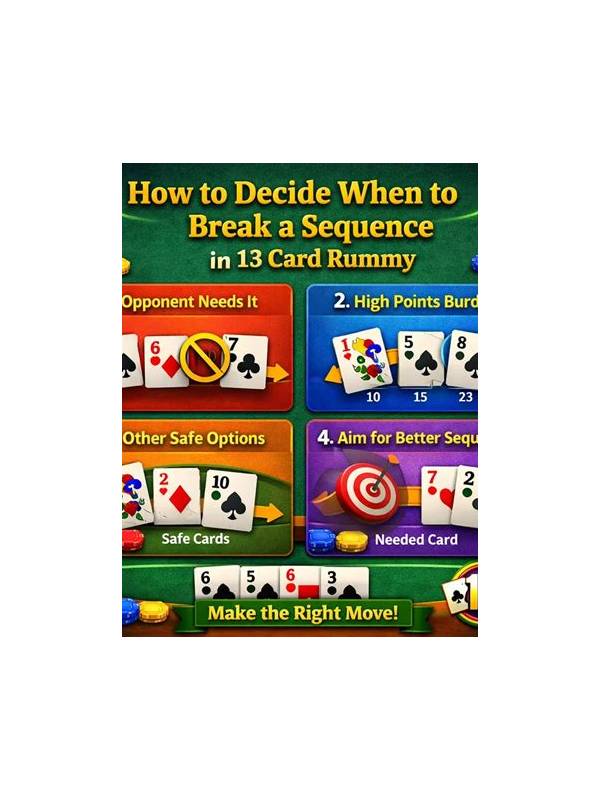
A pair is a possibility, not a promise. Breaking one can be correct when its cards are more useful in a confirmed or flexible sequence, when the pair is too narrow, or when keeping it would leave a costly singleton. The decision should be based on the whole hand rather than the comfort of having matching cards.
First ask what the pair currently does. If it supports two realistic set routes and the missing suits are still plausible, it may deserve protection. If it has no credible continuation or depends on one exact card late in the hand, its value is lower. A pair that has survived several turns without improving should face a deadline.
Then test the alternative. Place each card into the strongest arrangement it could support and identify the resulting discard. Breaking the pair is attractive only if the new layout reduces uncertainty, preserves a required structure, or lowers exposure without creating an even weaker leftover. A tidy-looking sequence that destroys your only pure sequence is not a good exchange.
Timing and information matter. Early in a round, retaining a flexible pair may be reasonable. Late in a round, a completed partial structure or lower-risk discard may be more valuable. Also consider whether taking or keeping the pair reveals a clear target to other players. Information is not decisive, but it can separate two otherwise similar choices.
Do not break a pair just to make the hand look different. Reorganizing without improving the number of realistic routes wastes attention. Write a short reason before acting: “this pair has one narrow route, while these cards protect a required sequence.” If you cannot state a benefit, keep the pair under review and seek better information. The right question is not whether a pair feels valuable; it is whether it is the best use of those cards at this moment. If the pair supports a required combination, use extra caution before breaking it. Confirm that the replacement plan is legal without relying on a last-second draw. When the requirement is already secure, the threshold for breaking a weak pair can be lower. Always compare the change against the card you would actually discard. Make the exchange deliberate. Check the resulting hand.
Related Post
Rummy FAQ: Should You Keep Two Cards for One Exact Draw?
Keeping a narrow pair can be correct, but only when its payoff outweighs the point [...]
Rummy Suit Balance: A Simple Way to Judge Your Opening Hand
Learn how suit distribution can reveal strengths and risks before your first draw. [...]