Rummy Comparison: Sequence Potential Versus Set Potential

Sequence potential and set potential are both useful, but they develop differently. A sequence depends on ranks within one suit, while a set depends on the same rank across suits. Comparing them fairly requires more than counting cards already connected.
Start with the requirement that must be satisfied. If the format requires a pure sequence, that obligation gives sequence potential priority even when a set looks easier. Once the requirement is secure, compare the remaining plans by their routes to completion and the cards each plan leaves exposed.
A middle sequence can have useful neighbors on two sides, while an edge sequence may have fewer directions. A set can appear simple with two matching ranks, but the missing suits may already be unavailable or may be valuable to opponents. Neither structure is automatically safer. Examine the actual cards and the time remaining.
Consider flexibility after completion. A sequence often releases nearby cards that can join another sequence, while a set may leave unrelated cards to solve. Conversely, a set can be a clean anchor when sequence cards are scattered. The better plan is the one that improves the whole hand, not the one that has the most attractive pair.
When abandoning one plan, measure the cost. Breaking a nearly complete pure sequence for a speculative set can remove a valuable foundation. Keeping a weak pair only because it is a pair can also block a useful sequence. Use the one-discard test: which arrangement gives you the clearest card to release while preserving a legal path?
Review the comparison after each important draw. A new card can change the balance immediately. Choose based on current evidence, rule requirements, and remaining time rather than loyalty to the first plan you noticed. This makes sequence-versus-set decisions practical and keeps the hand adaptable without becoming directionless. The comparison can be revisited without regret. A pair that favored a set earlier may become a sequence opportunity after one draw, and a sequence may lose value when its neighbors are gone. Treat the choice as a current assessment rather than a permanent identity for the cards. That attitude makes adaptation easier. That makes the comparison useful even when neither option is perfect. Current evidence should guide the choice.
Related Post
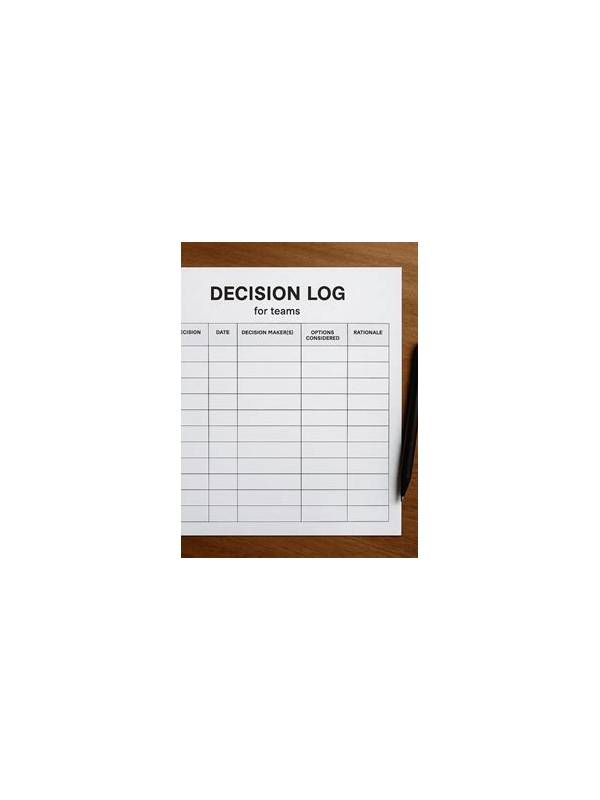
Rummy How-To: Create a Decision Log With Four Labels
Four simple labels can record why a card was kept or discarded without turning a [...]
Points Rummy or Pool Rummy: Which Format Fits Your Evening?
Comparing time, scoring, and pressure can help players choose between points and pool rummy. [...]