Rummy FAQ: When Should You Use a Conservative Discard?
Caution works best when it is attached to a clear structural reason rather than a general fear of error.
A conservative discard is not simply the lowest card or the card that feels least exciting. It is a choice that protects a workable hand when the evidence for a more ambitious move is weak. Knowing when to use one can keep uncertainty from turning into unnecessary risk.
Start with legality. If your current hand already depends on a required natural sequence, avoid discarding a card that quietly supports it. Check the variant’s declaration rules before choosing the apparently safest loose card. A conservative decision should reduce risk without creating a hidden rule problem.
Next, compare replacement difficulty. A high-point card with no connections may be an obvious candidate, but a low-point card can also be expendable if it blocks a stronger plan. Consider how difficult each candidate would be to replace and whether keeping it preserves more than one credible route. A conservative discard protects structure, not just points.
Use extra caution when the table is moving quickly, when your information is incomplete, or when the next turn may be your last practical chance to repair the hand. In these situations, a discard that leaves a clear backup is often preferable to one that depends on a specific draw. Slow down enough to state the reason before acting.
Conservative does not mean passive for the entire round. If a hand has reached a deadline and no plan is improving, repeatedly choosing the least uncomfortable discard can preserve a bad structure. A conservative approach still needs review points and a willingness to release cards that no longer earn their place.
In practice, ask three questions: What legal structure am I protecting? What risk am I accepting? What is my next exit if the draw is unhelpful? If the answer is clear, the discard is probably disciplined. If the choice is based only on fear of making a mistake, pause and compare the alternatives more openly.
Conservative play is particularly useful while learning a new app or variant. Unfamiliar controls and scoring can make aggressive experiments difficult to evaluate because an interface mistake may look like a strategy mistake. Use a free or offline practice setting to learn the mechanics first. Once the rules and controls are familiar, return to comparing structure and timing. Caution should create better information, not become a permanent refusal to make a clear decision.
Related Post
Rummy Comparison: Visible Risk and Hidden Risk
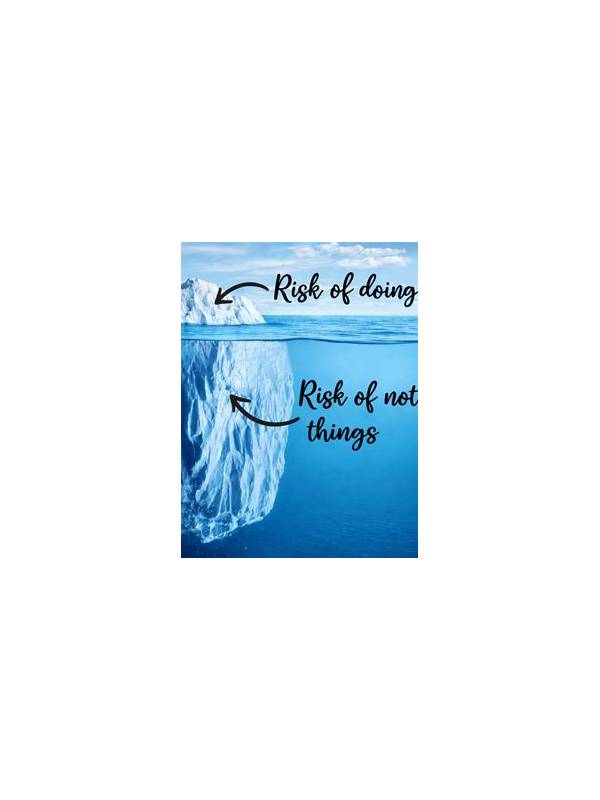
Separating visible risk from hidden risk helps rummy players avoid treating uncertainty as safety. [...]
Rummy How-To: Review a Hand Without Blaming Luck
A structured review separates decisions you controlled from card events you could not control. [...]