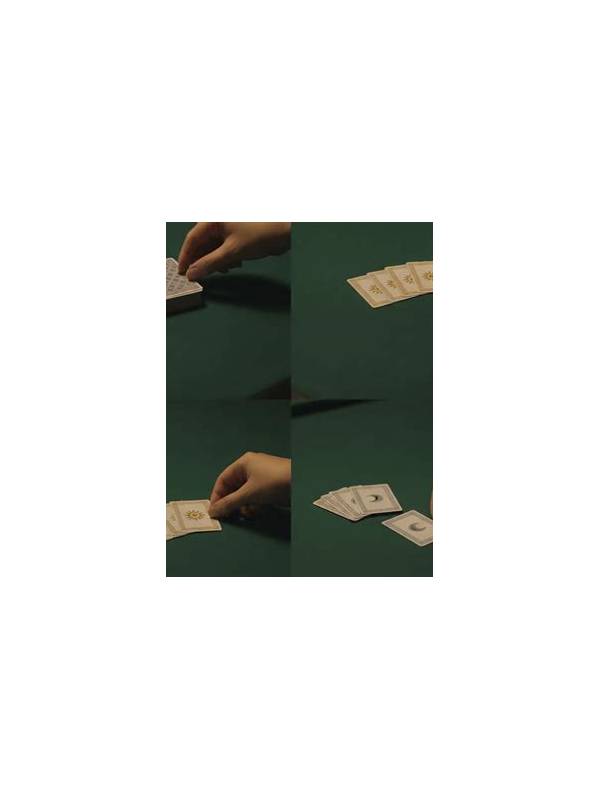
Rummy How-To: Review a Hand in Reverse Order
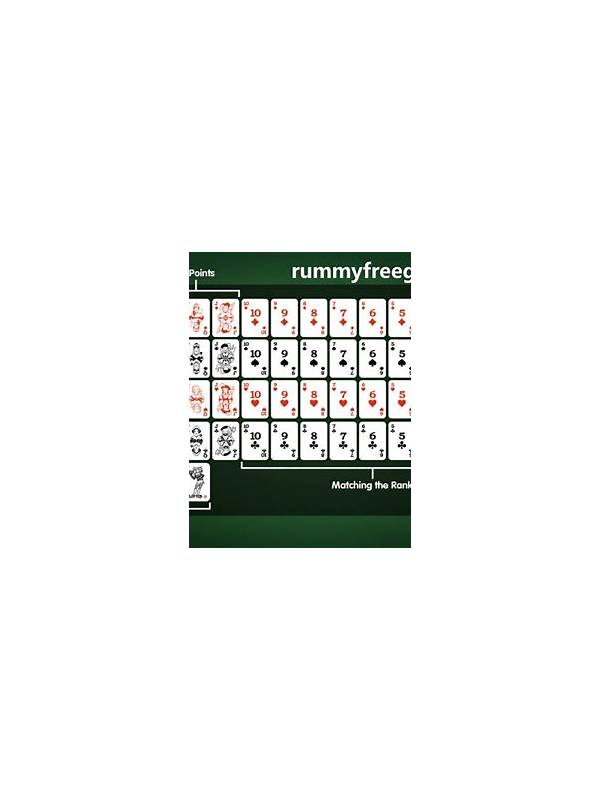
Use reverse review to find causes, while keeping the facts of the original moment separate from hindsight.
Most hand reviews begin with the opening cards and move forward. A reverse review offers a different perspective: start with the final discard or declaration attempt, then trace the choices that made that ending likely. This method is useful when the result feels surprising or when the hand contained several plan changes.
Begin with the final state. List the completed groups, required sequences, remaining loose cards, and any rule issue. Avoid judging whether the outcome was fortunate. Describe what was actually present. Then ask which earlier decision most directly shaped that state: a joker placement, a pair kept too long, or a discard that removed a useful alternative.
Move backward one turn at a time. For each turn, record the new card, the discarded card, and the plan you appeared to follow. If you cannot remember the plan, mark the gap instead of inventing a reason. Memory gaps are themselves useful evidence that you need a clearer in-game routine or a shorter decision log.
When you find a turning point, compare the chosen path with one realistic alternative. Do not generate every possible branch. Ask whether the alternative would have preserved a legal finish, reduced point exposure, or kept more useful exits. If the alternative depends on information you did not have then, label it hindsight and do not count it as an error.
Reverse review is especially helpful for automatic habits. You may discover that the final rushed discard was caused by failing to set a deadline several turns earlier, or that a bad declaration came from never checking the format’s natural-sequence requirement. Fix the earliest repeatable cause rather than criticizing only the last visible mistake.
Finish with one forward rule: “At the next review point, I will check ___.” Keep it specific and observable. A reverse review should return you to future practice with a small adjustment, not leave you trapped in an old result.
Chronological review still has a place when you are learning a new rule or format. Reverse review is most useful for diagnosing an ending that seemed to arrive suddenly. Use whichever direction answers the question you actually have. If the issue is “when did the plan become narrow,” work backward. If the issue is “what did I misunderstand at the start,” work forward from the opening. Good review is flexible about method while remaining strict about evidence.
Related Post
Rummy Guide: Choose a Primary Plan and a Backup Plan
One primary plan and one backup plan can preserve flexibility without making a rummy hand [...]
Rummy Guide: Build a Two-Discard Escape Route
Planning two safe release options can keep a rummy hand from becoming trapped after an [...]