Rummy FAQ: Why Can a Safe Card Be a Bad Keep?
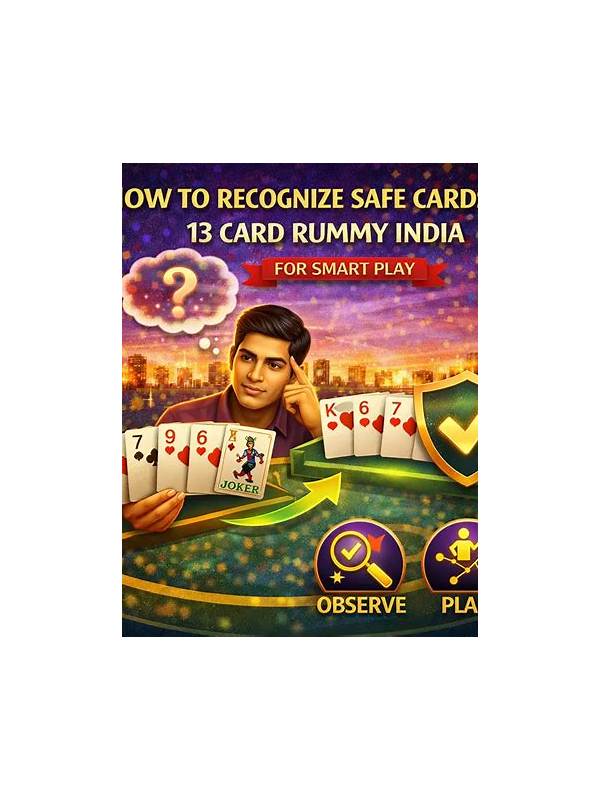
A safe card is often described as one that fits several possible groups or carries a low penalty. That description is useful, but incomplete. A card can be safe in isolation and still be a poor keep if it occupies space needed for a stronger structure or encourages you to wait without a clear requirement.
Check the card’s actual connections. Does it belong to a confirmed group, a practical route, or only a theoretical list of possibilities? A card that fits two specific sequences may be more useful than one that could vaguely join many groups. Flexibility has value only when the alternatives are available and can be evaluated in time.
Then check opportunity cost. Keeping the safe card means discarding something else. The released card might be a high-penalty outlier, a direct completion, or a bridge between two groups. Compare the improvement you give up with the protection you gain. Also ask whether the safe card causes duplication: two flexible cards can consume room while doing the same job.
Finally, look at the next decision. If you keep the card, can you name the evidence that would make you release it? If not, it may be acting as a comfort card rather than a strategic card. Set a review trigger, such as one new draw or one change in the visible discards, and reassess without treating the original choice as a promise.
The goal is not to avoid safe cards. It is to give them a defined role. After a hand, label the keep as confirmed, useful, or merely comforting. This small distinction improves future decisions. In money play, keep the lesson separate from the result and stop rather than chasing a disappointing outcome. Imagine two hands that contain the same safe card. In one hand it may bridge a confirmed sequence and deserve to stay. In the other it may sit beside a better pair and block an easy release. The card has not changed; its role has. Evaluate the surrounding structure before assigning a general label such as safe.
Compare the card’s exit route too. If you keep it now, will a later discard be easy to explain, or will you be forced to release it at a high cost? A safe keep with no exit plan is less useful than a slightly less flexible card that supports a defined route. The same test applies to a card that feels emotionally difficult to release. Notice the discomfort, then return to its defined job and exit route. Naming the feeling can prevent it from masquerading as evidence.
Related Post
Rummy Guide: Use a Repair Budget for Every Plan
A repair budget estimates how much flexibility a rummy plan has when its first idea [...]
Rummy Guide: Use a Three-Column Card Inventory
A three-column inventory makes a rummy hand easier to evaluate before the next draw. [...]