Rummy Guide: Build a Reliable Pre-Game Checklist
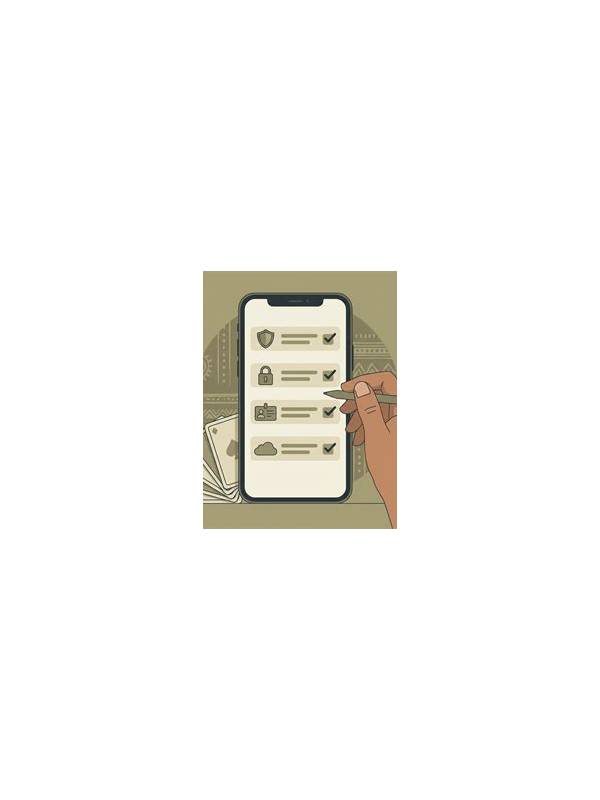
A pre-game checklist is useful because many rummy mistakes happen before the first draw. Players may misunderstand the variant, overlook a table limit, or begin while distracted. A reliable checklist should take less than a minute and cover rules, environment, and personal limits.
Confirm the rules first. Check the number of cards, declaration requirements, joker treatment, scoring method, and what happens when a player leaves or disconnects. If the interface uses unfamiliar terms, read the help section before joining. Memory from another variant is not a substitute for the current rules.
Check the environment next. Make sure the connection is stable, the screen is readable, and notifications are muted. Use a device you control and avoid public networks when handling an account. If you are tired, rushed, or emotionally upset, consider postponing the session. Clear attention is a safety measure as well as a performance aid.
Set boundaries before play begins. Decide how long the session will last and, where applicable, the amount you are willing to spend. Do not use money needed for essentials. A stop time should remain valid after a loss or a win. If the platform provides limits, reminders, or cooling-off tools, use them before entering a table.
Finally, choose a process goal. Examples include checking declaration requirements after every major draw, recording three decisions, or taking a short break between hands. A process goal gives you something measurable that does not depend on the result of a single deal.
Keep the checklist visible but unobtrusive. It might be four lines in a note: “rules understood, device ready, limits set, attention available.” If any answer is no, fix the issue or wait. A good checklist does not guarantee a winning session. It protects the conditions needed for clear decisions and helps separate planned recreation from impulsive play.
Review the checklist when changing devices, variants, or platforms. A rule obvious in one format may be presented differently in another. Add only items that prevent a real recurring mistake; a long checklist can become something you click through without reading. Keep contact and payment information private, and use official help channels if an account issue appears. If terms or local restrictions are unclear, pause until you verify them. The checklist is a small barrier against haste. If terms or local restrictions are unclear, pause until you verify them. The checklist is a small barrier against haste. It also makes it easier to explain why you chose not to play when conditions were poor, which reinforces stopping as a normal and responsible option.
Related Post

Rummy Guide: Evaluate a Single-Card Gap
Learn how to judge a one-card gap by flexibility, timing, and the alternatives already in [...]
Rummy Safety: Recognize an Unusual Payment Request
Unexpected requests for payment details or urgent transfers deserve a pause and independent verification. [...]