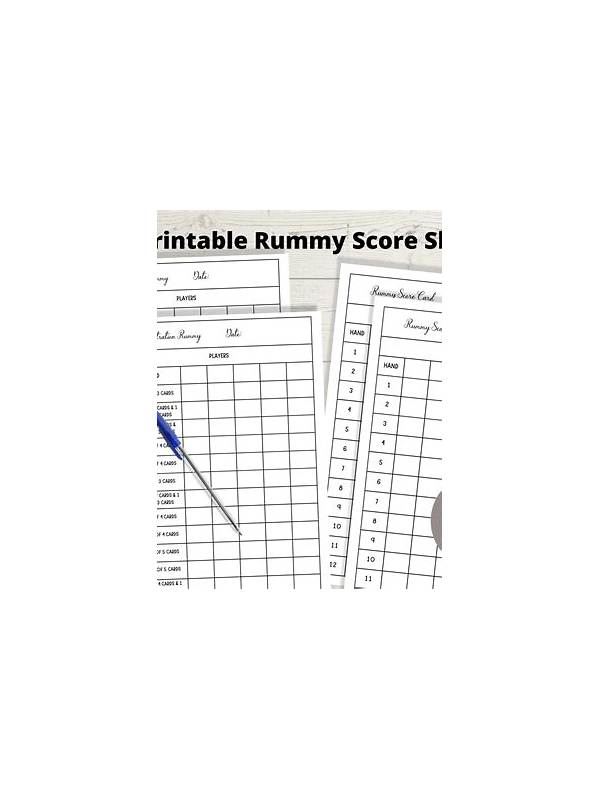
Rummy Guide: Build a Suit-Shape Snapshot Before Your First Draw

The first few seconds of a rummy hand are often spent sorting cards, but sorting alone does not create a plan. A useful next step is to make a suit-shape snapshot: a short description of how your cards are distributed across suits and ranks. This snapshot helps you see whether your hand is naturally leaning toward runs, groups, or a mixed arrangement that needs early simplification.
Begin by placing cards in suit order, then mark adjacent ranks within each suit. Do not decide that a sequence is “almost complete” merely because two cards are neighbors. Instead, note the exact missing ranks and whether a third card could support another route. For example, a five and six in one suit have a direct connection, while an eight and ten have a gap that may require a seven or nine depending on the rules. The difference matters when comparing possible draws.
Next, count how many cards are isolated from their suit neighbors. A hand with several singletons may need a reduction plan before it can pursue an attractive combination. A hand with two pairs in different suits may offer group potential, but it can also become crowded if every pair is kept too long. Write one sentence such as, “Two connected suit pairs, one promising group, and three cards with no current job.” That sentence is more useful than a vague feeling that the hand looks good.
Use the snapshot again after each meaningful draw. A new card can change the role of an old card, and a promising connection can become less important when another route appears. Avoid preserving the original plan simply because it was your first idea. The goal is to keep the hand organized around its strongest current options.
This method is especially helpful on a small phone screen, where visual clutter makes every card seem equally important. It also improves review: you can compare the opening snapshot with the final hand and identify when the structure changed. Keep the note factual, brief, and free of predictions about what opponents hold. A suit-shape snapshot is not a forecast; it is a clear starting map for better decisions.
Keep the snapshot flexible enough to reflect the variant you are playing. Different formats can change hand size, joker behavior, scoring, and the number of required sequences. Confirm those rules first, then describe the structure in terms that match the table. A good snapshot might mention a secure sequence, a speculative group, and the highest-cost loose card. Updating this description takes less time than repeatedly rebuilding a plan from scratch, and it gives your later review a clear reference point.
Related Post
Rummy How-To: Build a Session Debrief Template
A compact debrief template turns a rummy session into a few specific lessons without judging [...]
Rummy FAQ: Why Do Unfinished Groups Compete?
Unfinished groups compete when they depend on overlapping cards, shared hand space, or the same [...]