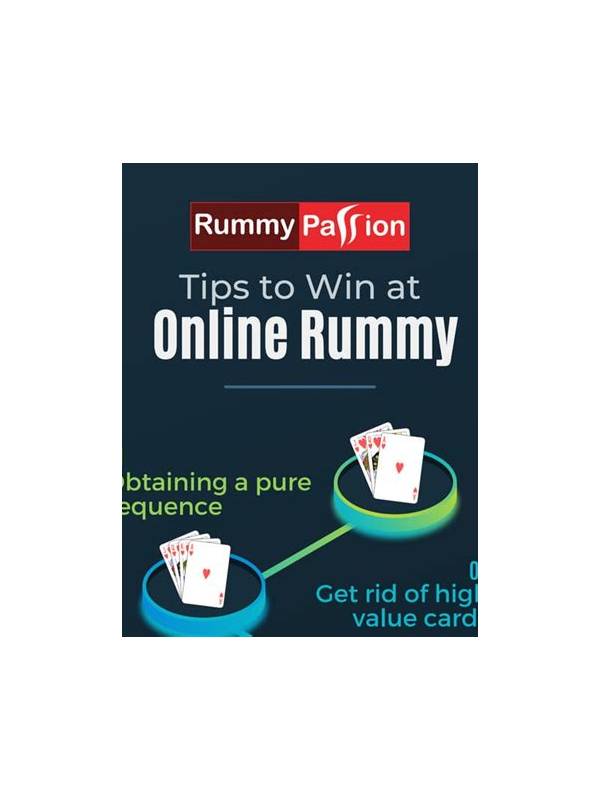
Rummy FAQ: What Is an Information-Free Discard?
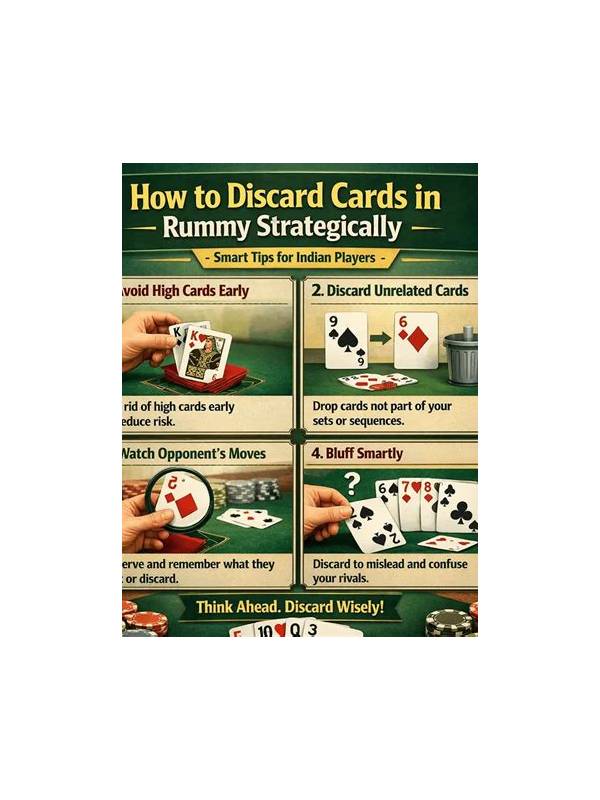
An information-free discard is a practical way to describe a card that has little useful connection to your hand and does not give an opponent a meaningful clue about your intentions. It is not a magical “safe card.” Another player may still need it, and no discard can guarantee that it will not help someone. The phrase simply encourages a balanced check before you release it.
Start with your own hand. Ask whether the card belongs to a completed group, extends a realistic sequence, or acts as a bridge between two plans. Check its rank and suit neighbors rather than relying on its appearance in isolation. A low-point card can still be valuable if it connects to several routes, while a high-point card may be disposable if it has no credible job.
Next, consider what the discard communicates. Releasing one card from a pair may reveal that you are abandoning that route. Dropping a card immediately after taking a related card can show a useful pattern to observant opponents. You do not need to hide every intention, but when two equally safe discards exist, prefer the one that exposes less about your structure.
Timing matters. A card that is neutral early may become informative later, when fewer routes remain possible. Likewise, a card that seems harmless may be worth holding for one turn if your opponent has repeatedly taken cards from the same neighborhood. Treat the table’s visible history as context, not proof. The aim is to reduce avoidable clues, not to predict every other hand.
Before discarding, run a short test: what job does this card have in my hand, what replacement am I accepting, and what does the discard tell others? If the first answer is “none,” the replacement improves your structure, and the signal is modest, the card may qualify as information-free. If any answer is uncertain, compare another candidate instead.
This concept is especially useful for practice because it turns a vague feeling into three questions. It should support disciplined choices, not paralysis. When the hand is urgent, choose the discard that best protects your score and route. Information control is a secondary benefit after hand quality and rule compliance.
Related Post
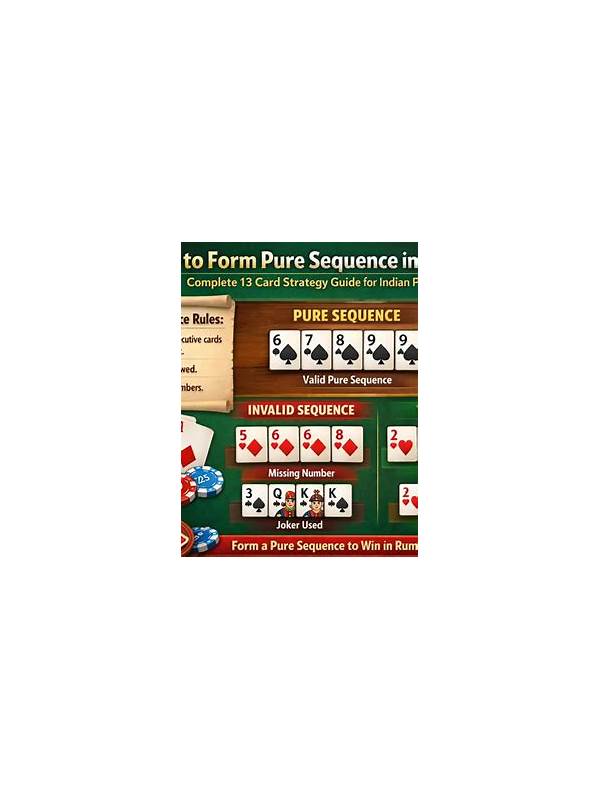
Rummy How-To: Test a Sequence Before Holding It
Testing a possible sequence against alternatives can prevent one attractive connection from controlling the whole [...]
Rummy FAQ: What Is the Difference Between a Draw and a Plan?
A draw is a possible improvement, while a plan explains how the whole hand will [...]