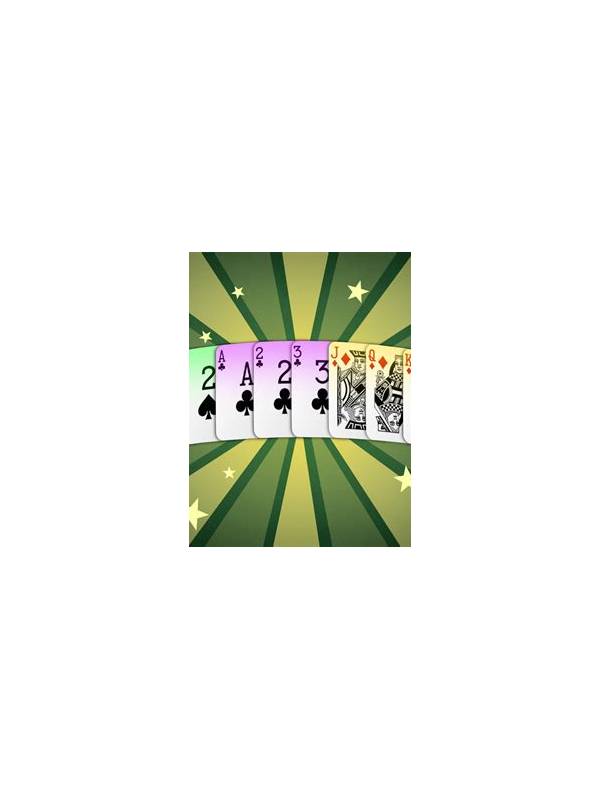
Rummy Guide: Use a Decision Window for Uncertain Cards
An uncertain card is not automatically a bad card. It may connect to several ranks, support a developing set, or become useful after one visible change. The problem begins when a player keeps it without deciding what evidence would justify that choice. A decision window solves this by giving the card a limited period in which it must prove its value.
Start by naming the card’s current job. Perhaps it is a connector between two suited cards, a possible set card, or simply a low-penalty placeholder. If you cannot describe a job in one sentence, mark it as speculative. This label is not a verdict; it is a reminder that the card needs stronger support before the hand becomes crowded.
Next, define the evidence you are waiting for. A useful card might need one neighboring rank, a second card of the same rank, or a clearer route after another discard. Keep the condition specific. “I hope it works” is too vague, while “I will reassess if no supporting card appears after two draws” is actionable. The rule may change with the game format, but the principle stays the same: waiting should have a reason and a limit.
At each turn, compare the card with its alternatives. Ask whether it gained a realistic connection, whether keeping it blocked a stronger group, and whether its points or exposure still fit the situation. A card can pass one review and fail the next because the rest of the hand has changed. Do not defend yesterday’s decision merely because it was reasonable earlier.
Decision windows are especially useful near the middle of a round. Early on, flexibility may justify patience. Later, an unsupported card can consume space that should be used for a legal finish. When the window closes, choose deliberately: keep the card because new evidence supports it, or release it because the expected benefit is too narrow. This small habit turns passive waiting into a controlled experiment and makes discards easier to explain.
Related Post
Rummy How-To: Rebuild a Hand After a Missed Draw
A missed draw is a signal to reassess the hand, not a reason to keep [...]
Rummy Opponent Observation: Use Visible Information Carefully
Observing discards can provide context, but careful players avoid treating limited evidence as certainty. [...]