Rummy Guide: Use a Draw Deadline for Narrow Plans

Narrow plans are attractive because they can produce a neat finish, but they depend on limited cards. The problem is rarely choosing such a plan once. It is continuing to wait after the evidence has weakened. A draw deadline gives the plan a fair chance while protecting the rest of the hand.
Define the plan precisely. Name the missing card or small set of cards, the group it would complete, and the alternative arrangement available now. If you cannot state the requirement clearly, you may be holding cards out of hope rather than strategy. A precise plan can be evaluated; a vague one can expand forever.
Choose the deadline based on the cost of waiting. If the held cards are low point and have another plausible role, a few turns may be reasonable. If they are high point, isolated, or blocking a confirmed group, use a shorter deadline. Consider how many draws remain and whether other players appear close to finishing.
When the deadline arrives, compare the plan again instead of extending it automatically. Has a related card appeared? Did a player take a useful connection? Has your fallback improved or deteriorated? If the evidence is still weak, switch deliberately. Switching is not failure; it is the action that makes the original deadline meaningful.
Record the result without turning it into a superstition. Sometimes the needed card appears just after you release the plan. That does not prove the deadline was wrong. Review whether the plan had enough realistic completion chances and whether waiting exposed too many points. Over repeated hands, deadlines help you distinguish patience from postponement. Make the deadline observable. Place a small mark beside the developing group, count the agreed turns, or use a note in a practice log. An invisible deadline is easy to renegotiate when the next card disappoints you. If a new clue materially changes the situation, you may reset the deadline, but write down why. A reset should be evidence-based rather than an emotional response to being close. You can also use different deadlines for different plans: a low-point pair may receive time, while a high-point narrow draw may not. This turns patience into a measured resource instead of an unlimited promise. Keep the language of the review factual and kind. A hand is a changing set of possibilities, not a test of personal worth. When a decision is unclear, write down the two reasonable options and the evidence that separated them. This makes future practice more useful than replaying the result emotionally. You can also use the note to identify a question for the next session, such as whether a deadline was long enough or whether a table clue deserved attention. Small, specific questions are easier to test than broad promises to play better.
Related Post

Rummy Tips: Ask What the Next Player Can Learn
Considering what your discard reveals adds an information check to ordinary rummy card-value decisions. [...]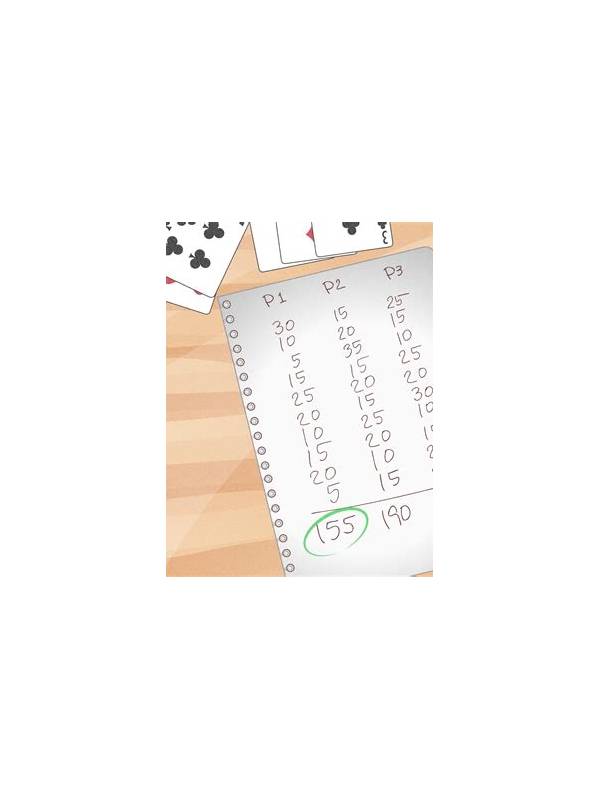
Rummy FAQ: Should You Keep Two Pairs at Once?
Two pairs may offer options, but keeping both is useful only when their roles and [...]