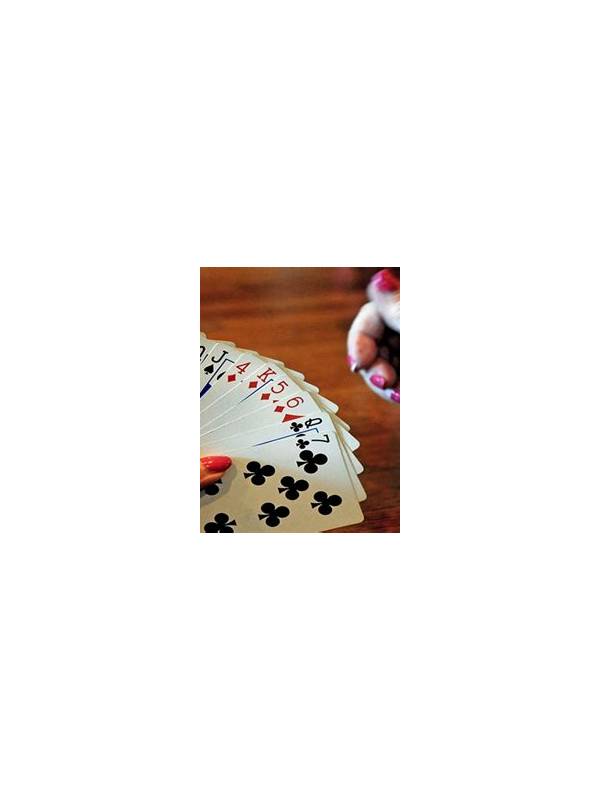
Rummy Guide: Judge Sequence Gaps by Distance
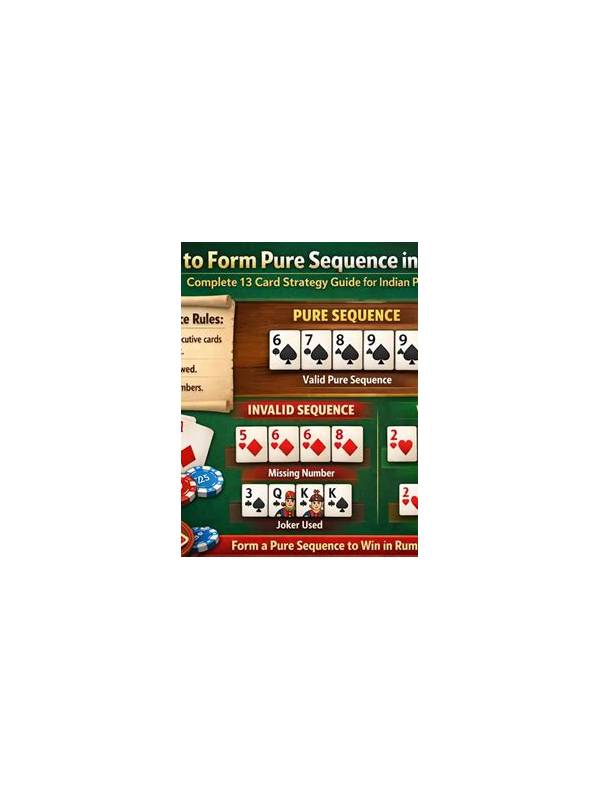
Not all sequence gaps deserve the same attention. A one-card gap can be promising, but it is not guaranteed. A route needing two or more specific improvements is usually more speculative. Judging gaps by distance gives your hand a common language and prevents every partial sequence from receiving equal protection.
For each developing sequence, write its current cards and the exact positions missing. A one-gap route has one requirement before it becomes a valid group. A two-gap route has two requirements, possibly with several ways to fill them. The count should reflect the rules of the format and the order restrictions that apply; do not treat a visually close arrangement as complete.
Next, consider the quality of the missing cards. Several ordinary cards may make a two-gap route more flexible than a one-gap route that needs one exact rank. Public discards can change the assessment, but only cautiously. Seeing one needed card discarded does not tell you whether it remains available elsewhere or whether another player is pursuing it.
Distance is only one factor. Compare the point cost of holding the route, the number of confirmed groups already in your hand, and the time remaining. Early in the hand, a low-cost two-gap route may be acceptable as a secondary idea. Later, a one-gap route with high exposure may still be worse than releasing it and protecting a safer structure.
When two routes compete for one card, rank them explicitly. Give each a status such as primary, backup, or abandoned. This prevents a single card from being mentally promised to two groups at once. If a new draw improves the backup route more than the primary route, update the labels rather than defending the original plan.
Use distance as a decision aid, not a prediction tool. A close gap can fail and a remote route can succeed. The benefit is that your choice becomes explainable: you kept the route with the best current combination of requirements, exposure, and timing. Review the ranking after the hand to see whether your distance labels improved your discard decisions.
For a quick notation, write one mark for a complete route, two for a one-card gap, and three for a remote route. The symbols are reminders only; revise them whenever a new card changes the structure.
The notation should reduce mental clutter, never replace a rule check or a realistic comparison.
Use it lightly.
Related Post
Rummy Safety: Set a Deposit and Session Boundary
Clear time and spending boundaries help keep online rummy within a planned entertainment budget. [...]
Rummy Turn Timing: Make Decisions Before the Clock Is Low
A calm timing routine can reduce rushed discards and missed table information. [...]