Rummy Guide: Keep a Neutral Session Journal
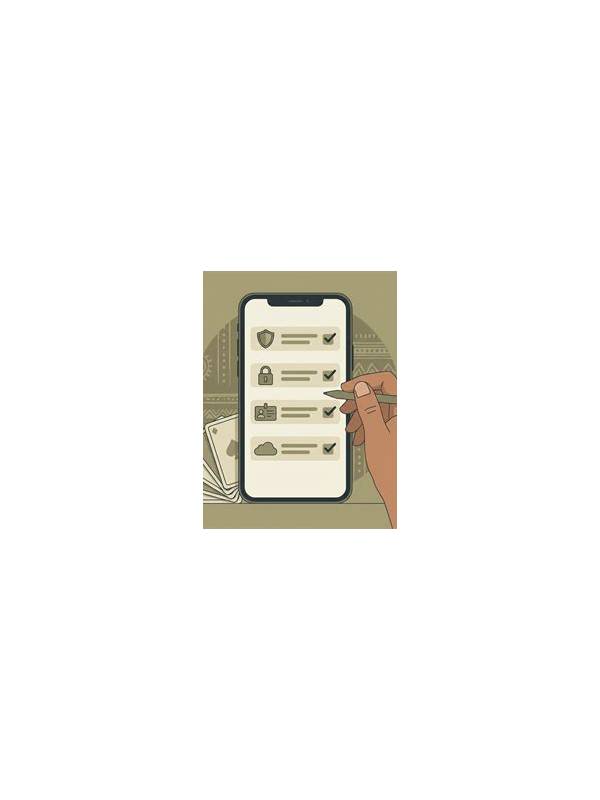
A session journal is useful when it records decisions rather than only wins and losses. The purpose is to make patterns visible while they are still small. A neutral journal takes a few minutes and can be kept on paper or in a private note, provided it contains no sensitive account information.
Start with the conditions. Record the game variant, approximate session length, and whether you were rested or distracted. These details help explain differences between sessions. Do not treat them as excuses; they are context that makes comparisons fairer. Also note any unusual interruption, connection issue, or rule confusion.
For each hand, write three short items: the first structure you noticed, one important decision, and the point at which your plan changed. For example, you might record that you protected a sequence, chose an unseen draw, and abandoned a set after two turns without progress. Keep the language descriptive. “Held a flexible card for four turns” is more useful than “played badly.”
Add one process measure. You could count how often you checked the required sequence before declaring, how often you discarded without naming a role, or how often you changed plans after a single surprising card. Choose one measure for a week. Too many metrics make the journal another distraction.
Review only after the session. Look for repetition across several hands rather than reacting to the last outcome. Maybe your late checks are consistent when the table moves quickly, or maybe you hold isolated high cards longer when you are tired. Pick one small experiment for the next session, such as performing a three-question check or setting a stop time.
Keep the journal private and minimal. Do not record other players’ personal details, payment information, or anything that could identify an account. A good journal is a learning tool, not a scorecard or a source of self-criticism. Over time, factual notes can show which habits deserve practice and which apparent problems were simply normal variance. Use neutral labels consistently so the notes remain searchable later. For instance, mark “late-check,” “plan-change,” or “distraction” rather than inventing a new description every time. The journal should make comparisons easier, not become another elaborate system that competes with the game itself. A weekly review can be enough. Read the entries, circle one repeated process issue, and archive the rest. The journal then supports a manageable practice plan instead of encouraging constant monitoring of every decision and every result.
Related Post
Rummy Table Entry: Check Conditions Before You Join
A quick entry review confirms the format, pace, cost, and exit conditions before a rummy [...]
Rummy Table Transitions: Reset Your Read After a New Round
A new round deserves a fresh assessment instead of assumptions carried over from the previous [...]