Rummy Guide: Read the Discard Pile as a Changing Signal

The discard pile is useful information in rummy, but it is not a perfect map of another player’s hand. Cards can be thrown away for many reasons: they may be too expensive, they may no longer fit a plan, or they may simply have been the least useful choice on a rushed turn. Treat the pile as a changing signal rather than a set of certain clues.
Start by noticing recent discards, not just the oldest cards. A card discarded several turns ago may have become irrelevant as the hand changed. A newly discarded eight of hearts, for example, could mean its owner abandoned a hearts sequence, or it could be a deliberate card that does not help their current combinations. The next draw and discard provide context. Look for repeated ranks, neighboring cards, and suits that appear together.
Separate observation from interpretation. Observation is “two clubs near the middle were discarded.” Interpretation is “the player cannot use clubs.” Keep those statements apart. If you see a discarded six of clubs followed by a nine of clubs, the gap does not prove that seven and eight are unwanted. The player may hold one of them, or may be pursuing a set rather than a run. This discipline prevents you from giving too much weight to one clue.
Use the pile when choosing between two otherwise reasonable discards. If one card is likely to complete several obvious combinations for an opponent, it deserves extra caution. Yet safety should not make you keep a high-value card forever. Compare the danger of releasing it with the cost of carrying it and the chance that it improves your own hand. Good decisions balance information, points, and flexibility.
Finally, update your view after every meaningful event. A joker, a pickup from the pile, or a long pause before a discard can change the significance of earlier cards. The goal is not to guess an opponent’s exact hand. It is to make slightly better choices while accepting that hidden information remains uncertain. That modest goal is more reliable and keeps the game focused on decisions you can control. One practical note is to watch the order in which cards leave the pile. A single discard is weak evidence, but a sequence of related discards can show that a player is changing direction. Write down only a short pattern in your head, such as “recent clubs are being released,” and revisit it after the next turn. If new evidence does not support the pattern, drop it. This prevents confirmation bias, where every later card is forced to fit an early guess. The discard pile should sharpen your questions, not replace judgment.
Related Post
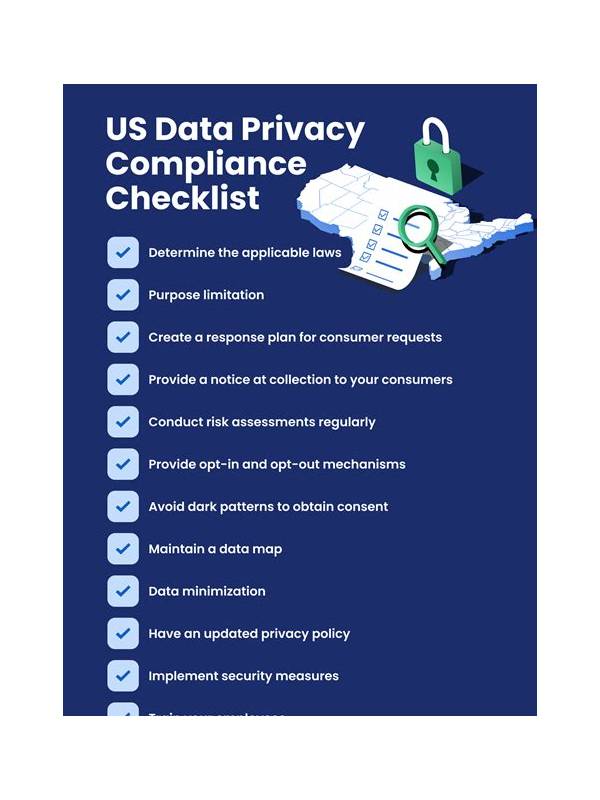
A Privacy Checklist for Online Rummy Accounts
Use this practical checklist to limit unnecessary data exposure when setting up an online rummy [...]
Rummy Connectivity Checks for Cards That Almost Fit
Learn how to evaluate near-sequences without overvaluing cards that have only one possible connection. [...]