Rummy Guide: Read the Table Without Overinterpreting It
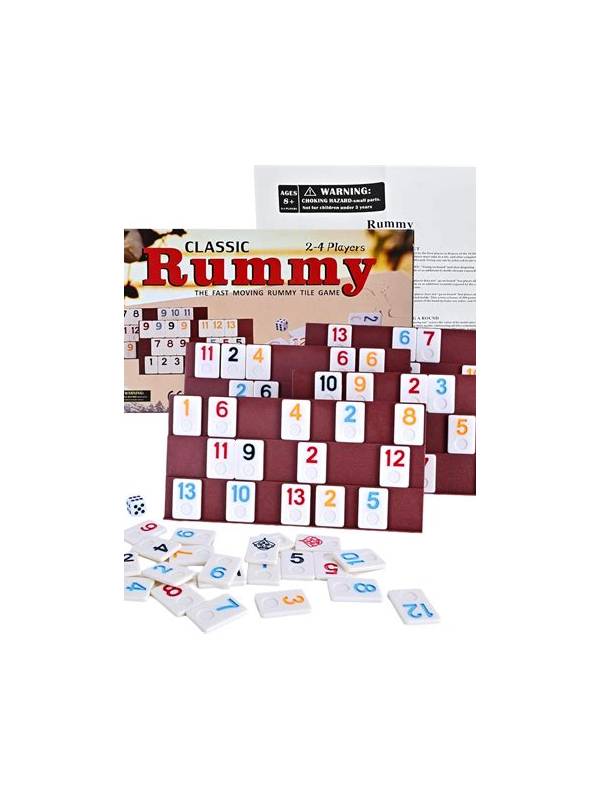
Reading a rummy table does not mean trying to guess every card held by another player. It means noticing reliable signals, separating them from noise, and using both to set sensible priorities. This distinction matters because online play can make a few visible actions feel more meaningful than they really are.
Begin with the discard pile. A player who repeatedly ignores a certain suit has provided a small clue, but not a complete story. They may already have that suit organized, may be avoiding a visible card for tactical reasons, or may simply have drawn better alternatives. Treat the pattern as a probability shift, not a fact. If a card would improve your own hand, evaluate it on its merits before worrying about what someone else might hold.
Next, watch pace and consistency. A quick draw followed by a long pause can reflect uncertainty, a connection problem, or a difficult choice. It is not proof of strength or weakness. More useful is a repeated behavioral pattern across several turns, such as a player taking middle cards from the discard pile and then releasing neighboring cards. Even then, use the observation to avoid obvious gifts rather than to invent an elaborate story.
Keep your own hand as the primary evidence. Every turn, identify your best current meld, your most valuable flexible card, and the card that creates the greatest penalty if stranded. Table reading should help decide between close options. It should not persuade you to retain a poor card merely because it might block an opponent.
Finally, record what you know and what you only suspect. A short mental label such as “three low hearts seen” is useful; “the opponent must be building hearts” is much stronger and may be wrong. Calm table reading is a process of updating, not announcing conclusions. By combining visible evidence with disciplined hand evaluation, you gain information without allowing speculation to control the game.
As a review habit, ask which observation actually changed your choice. If the answer is none, you may have been watching for entertainment rather than information. Keep only observations that improve a draw, discard, or stopping decision. This filter makes table awareness quieter and more accurate over time. It also leaves more attention for your own cards, where the clearest evidence is usually found.
Related Post
Rummy How-To: Record the Reason Behind a Missed Draw
A compact missed-draw record separates a flawed estimate from an ordinary unlucky outcome. [...]
Rummy Comparison: Single Cards and Group Commitments
Comparing loose cards with committed groups helps clarify when a rummy hand is flexible and [...]