Rummy FAQ: What Does It Mean When an Opponent Takes Your Discard?
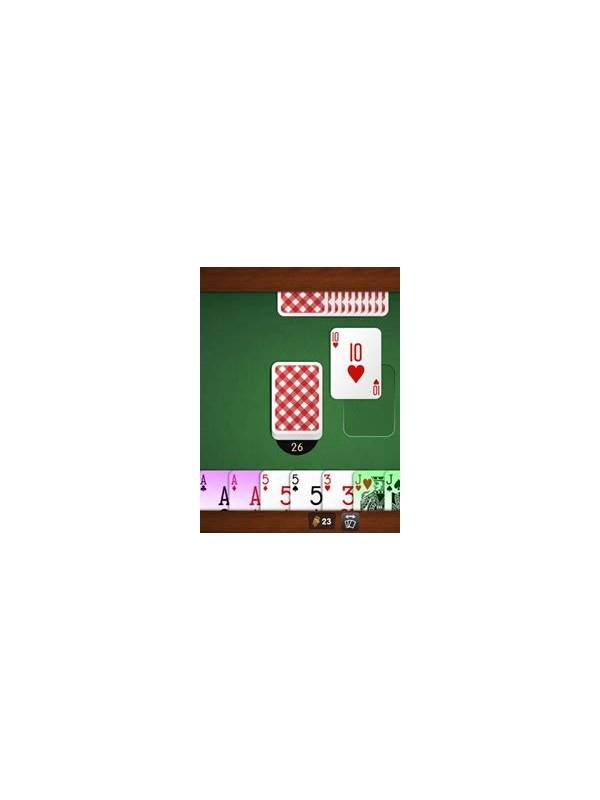
When another player takes a card you discarded, it is natural to feel that you gave away a valuable piece. The event is useful information, but it should be interpreted carefully. The player may have needed the card directly, may have wanted to test a possibility, or may have preferred it to the unknown draw.
Start with what you know. The card was useful enough to take at that moment, and the player accepted the information it gave about their preference. You do not know whether it completed a sequence, formed a set, or merely improved a flexible holding. Avoid inventing the rest of the hand from one action.
Look at the surrounding evidence. If the player has previously taken cards from the same suit or nearby ranks, the new pickup strengthens a pattern. If no related action exists, keep your confidence low. A single card can fit many plans, especially early in a hand.
The practical response is usually to adjust future discards, not to panic. Before offering another card, ask whether it is close to the card already taken and whether you have an equally useful alternative. You should not throw away a sound route in your own hand simply to block a speculative opponent plan.
Remember that public information changes for everyone. Your opponent may have shown interest, but your own discard also tells the table something. If you repeatedly offer cards from one route, others may infer that the route is not important to you or that you are discarding defensively. Keep your choices based on hand value rather than on trying to appear unreadable.
In some formats, the discard pile and pickup rules differ. Confirm whether a player may take only the top card, whether special declarations affect the pile, and whether there are restrictions on immediate discard behavior. House or platform rules can change the meaning of an action.
After the hand, compare your interpretation with the revealed cards if possible. Did the pickup indicate a real group, or did you give it more meaning than it deserved? This review improves your calibration. An opponent taking your discard is a signal, not a confession. Use it to refine your next decision while keeping your own hand and the written rules at the center. A defensive discard is worthwhile only when it also has acceptable value for your own hand. Protecting your own route remains more important than proving a prediction about someone else.
Related Post
Rummy Tips: Treat the Discard Pile as Evidence, Not Instruction
The discard pile can update your options, but it should not dictate a route without [...]
Rummy Comparison: Known Cards Versus Assumed Cards
Separating visible evidence from assumptions improves decisions about draws, discards, and incomplete groups. [...]