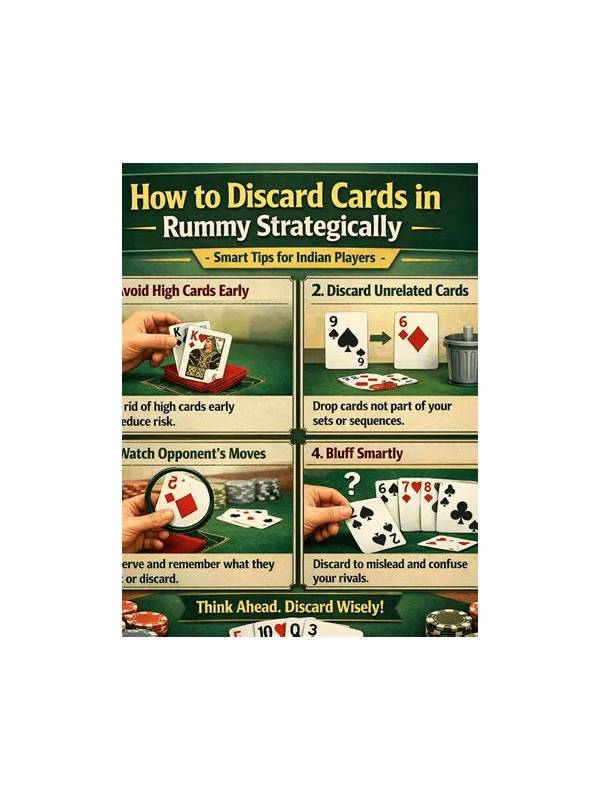
Rummy Guide: Track Information Without Memorizing Every Card

You do not need to remember every card to make better rummy decisions. Trying to do so can distract you from your own hand. A small information system focused on relevant cards is easier to maintain and often more useful.
Choose three categories
Track cards that directly extend your main sequence, cards that complete your best set route, and cards that would make a risky discard. Ignore most unrelated cards. This limited scope keeps observation connected to a decision rather than turning the game into a memory contest.
When a relevant card appears, note whether it was drawn, discarded, or used in a visible group. You do not need exact certainty about every unseen copy. The purpose is to update the attractiveness of your routes.
Use confidence levels
Label observations as strong, moderate, or weak. Seeing a needed card discarded is strong evidence that the route may be less available. A player declining a discard is moderate evidence at best because the card may simply not fit their hand. A guess based on timing is weak and should never control the whole decision.
This language prevents a single clue from becoming a story. It also makes it easier to change your mind when new information appears.
Reset at natural breaks
After a declaration, reshuffle, or new round, clear the old notes mentally. Information from a previous hand should not influence the next one unless the rules or table context make it relevant. In a long session, take short breaks so concentration does not turn into fatigue.
Keep your own hand primary
Opponent reading is a supplement. If your hand has an obvious structural improvement, take it even when a speculative read suggests another player might be waiting for the same card. Good observation helps rank options; it does not replace rule knowledge or sound hand management.
Practice with one question
For a few practice rounds, ask only: “Which visible card changed my best route?” At the end, see whether the answer affected a discard. Once this becomes comfortable, add a second category. Gradual practice builds useful awareness without making each turn feel like a test.
Selective attention is a strength. Track the information that can change your next decision, assign it a confidence level, and let everything else remain background noise.
Related Post
Rummy Guide: Build a Personal Vocabulary for Hand Shapes
Short, consistent labels can help rummy players describe hand structures and review decisions more clearly. [...]
How to Review a Rummy App Update Safely
A brief post-update review can catch changed permissions, rules displays, and settings before a session. [...]