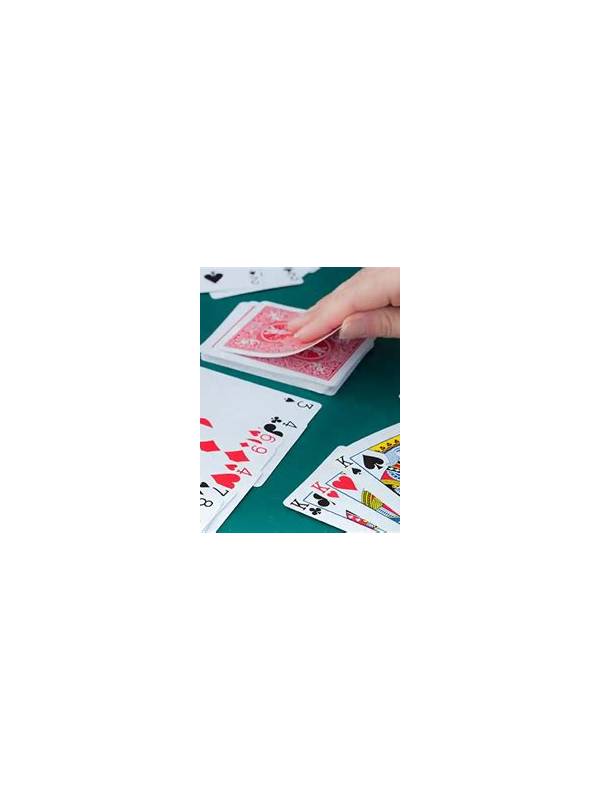
Rummy Guide: Track Table Rhythm Without Guessing Cards
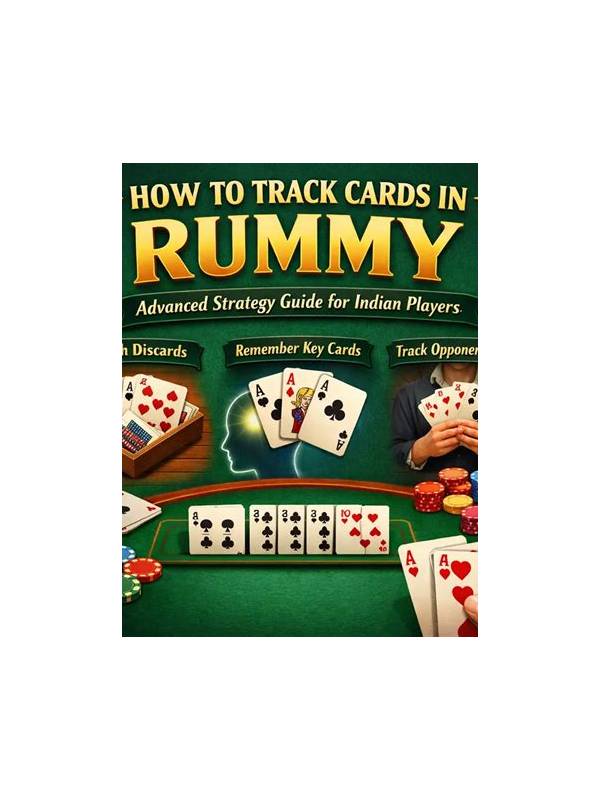
Table rhythm is the pace and pattern created by draws, discards, pauses, and declarations. It can help you choose a comfortable decision speed, but it should never become an excuse to invent information about another player’s hand. A useful rhythm read describes what is visible: whether turns are quick, whether the discard pile changes often, and whether players are taking extra time before important actions.
Start by watching the sequence of actions for a few turns. Note whether the table is moving steadily or whether several players are hesitating. A quick table rewards preparation because you have less time to rearrange cards. A slower table gives room for checking groups, but it can also encourage overthinking. Treat this observation as a setting for your own process, not as a prediction of the next card.
Next, separate public facts from interpretations. “A player picked from the discard pile” is a fact. “That player must be building a heart sequence” is an interpretation. The first can be recorded; the second should remain a possibility with low confidence unless later actions support it. This distinction protects you from reacting emotionally to a story that may be wrong.
Use rhythm to adjust preparation. If turns are fast, keep your hand arranged into clear zones and decide your first discard before the turn begins. If turns are slow, use the extra time for a short legality check rather than searching for a perfect line. In either case, keep the same three questions: what improved, what remains incomplete, and which card is safest to release?
Avoid copying another player’s pace. Someone may act quickly because the decision is obvious, because they are distracted, or because they are following a different plan. Someone who pauses may be checking a rule rather than holding a strong hand. Your goal is not to match their speed; it is to make accurate, repeatable choices inside the time available.
After the hand, review whether rhythm changed your behavior. Did you rush a discard when the table sped up? Did a long pause cause you to abandon a sound plan? Write one neutral observation and one adjustment for the next session. This turns table rhythm into a learning signal while keeping your strategy anchored to cards and rules you can actually see.
A useful note might say, “The pace increased, so I stopped checking the weakest card.” That identifies a process change without claiming anything about opponents. Over several sessions, these notes show whether speed itself or the hand layout made quick checking difficult.
Related Post
Rummy Strategy: Count Unresolved Groups Instead of Cards
Tracking unresolved groups can reveal hand risk more clearly than simply counting how many cards [...]
Rummy Guide: Set a Reassessment Trigger
A reassessment trigger tells you when to revisit a rummy plan before it becomes a [...]