Rummy FAQ: Why Does a Discard Need a Reason?
A discard does not need a complicated explanation, but a short reason is valuable. It shows what the card was doing, why its role had changed, and what the remaining hand is trying to achieve. This habit separates a decision made from evidence from one made only because the card felt awkward.
What makes a useful reason?
A useful reason refers to structure, timing, or risk. “It was my least connected high card” is structural. “It no longer fits the route after the new draw” describes a change. “I released it to reduce penalty exposure near the end” explains timing. “It looked bad” is a starting feeling, not a complete reason.
Keep it short during play
Use one sentence or a few keywords. A long internal debate can cost attention and time. You might think “high, single route, no requirement” and move on. The goal is a repeatable signal for later review, not a speech at the table.
Include the opportunity cost
When two cards are close, mention what you kept. “Discarded the nine to keep the connector” tells you more than “discarded nine.” It exposes the trade-off. If the retained card later proves weak, you can review whether its flexibility was real or merely assumed.
Do not judge by outcome
An opponent may draw the discarded card immediately, or your kept card may never improve. Those events matter as information, but they do not automatically invalidate the original reason. Review whether the evidence supported the choice at the time. Good reasoning can lead to an unfavorable result.
Build a review habit
After practice, select one discard and write its reason in full. Then add one alternative and the evidence that would have favored it. This creates a focused lesson without turning the whole hand into a reconstruction project. Over time, recurring reasons can reveal habits such as overvaluing pairs or delaying high-card releases.
The reason is a handle for learning. It keeps a discard connected to a plan and makes improvement possible even when the cards do not cooperate.
It can also improve communication in friendly practice. A clear reason lets a partner discuss the decision without guessing what you saw. Keep private information private, and discuss the reasoning after the hand rather than interrupting play. The objective is shared learning, not proving that one player’s explanation was perfect.
One honest sentence is enough for a useful record.
Related Post
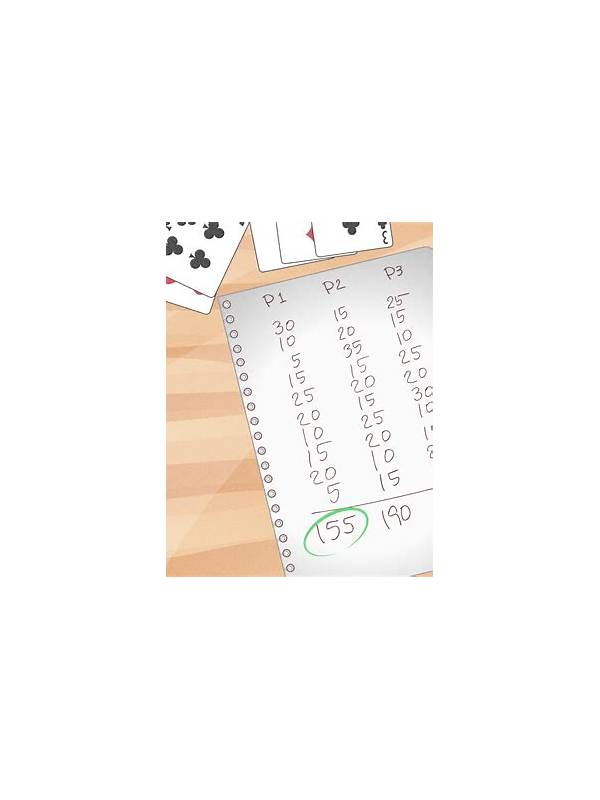
Rummy FAQ: What Should You Record After a Close Loss?
A calm post-game recording method for learning from a close rummy loss. [...]
Rummy Guide: Use a Decision Window for Uncertain Cards
A decision window gives uncertain cards a fair trial while preventing them from occupying a [...]