Rummy Practice: Solve a Hand From the Discard Backward
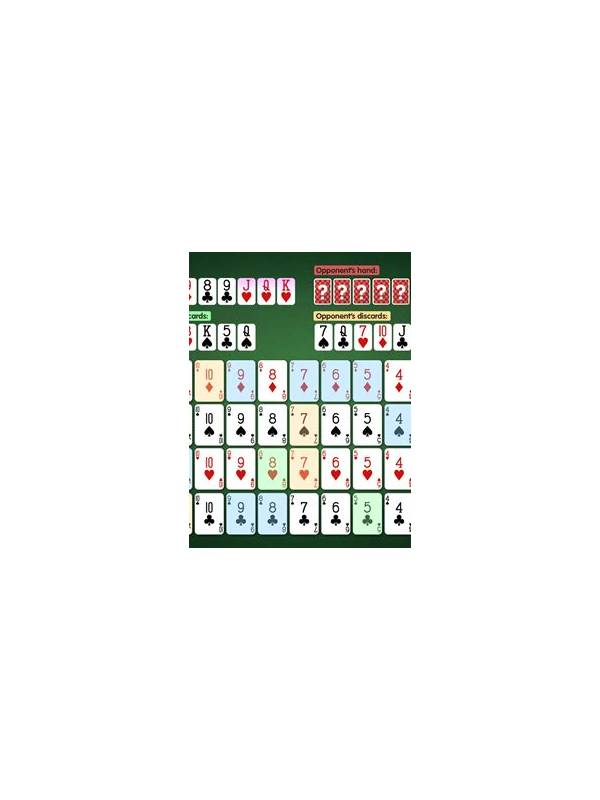
A useful solo rummy drill begins at the end of a sample hand and works backward. Instead of asking what you would draw next, ask why each discard might have been made and what structure remained afterward. The exercise develops disciplined reasoning without requiring a live table.
Choose a completed practice hand or write down a sequence of draws and discards. Hide the final explanation if you are using a prepared example. Start with the last visible discard and inspect the hand immediately before it. Identify which groups were confirmed, which were incomplete, and which card was most exposed by points or lack of connections.
Now propose two possible reasons for that discard. One reason should be structural, such as breaking a weak route to preserve a valid sequence. The other may involve information or risk, such as avoiding a card that another player could use. Do not assume either reason is correct. The goal is to separate evidence from imagination.
Move one turn backward and repeat the process. Notice whether the previous decision created the final position or whether later draws changed the evaluation. This distinction is important: a discard that looks poor at the end may have been reasonable when the available information was smaller. Good review judges the decision at the time it was made.
After reconstructing several turns, compare your proposed line with the actual one if an explanation is available. Mark three types of error: a rule misunderstanding, an overlooked valid group, or an unjustified assumption about another player’s hand. Each category suggests a different practice task. Rules need reference checking, group errors need sorting drills, and assumptions need better uncertainty language.
Finish by replaying the hand forward with one changed discard. Observe which later choices change and which remain available. This shows whether a decision was central or merely one of several workable routes. Keep notes short and specific. The value of backward practice comes from turning a dramatic result into a sequence of small, reviewable decisions.
Keep the exercise fair by revealing only the information that would have been visible at each point. If you inspect the final hand too early, hindsight will make every route seem obvious. You can also compare two possible explanations for the same discard and list what extra evidence would distinguish them. This trains curiosity without turning guesses about opponents into facts.
Related Post
Rummy Sets Versus Sequences: How to Choose a Better Starting Focus
Compare sets and sequences by flexibility, legality, and risk when organizing an opening hand. [...]
How to Review Your First Three Rummy Turns
A focused early-game review can reveal whether your opening plan is improving or needs a [...]