Rummy Guide: Turn Order and Information Timing

Turn order is easy to notice in an online rummy table and easy to ignore when a hand becomes complicated. The sequence of draws and discards gives each player different opportunities to see cards, change plans, and respond to the same public information. It does not reveal anyone’s hand, but it can help you organize your own decisions.
Start by identifying where you sit in the order. If several players act before you, you may see more discarded cards before your turn, but you also face a changed pool. A useful card can disappear just before you act. If you act early, fewer public clues are available, so your first decision should favor flexible combinations rather than a narrow guess. Treat position as a planning condition, not as an advantage that guarantees anything.
Notice what happens between your turns. A card that remains available through several turns is not automatically unwanted; players may simply have other priorities. Likewise, a card taken from the discard pile confirms only that it was useful to someone at that moment. Record the observation in neutral language: “this card was selected,” not “that player needs this exact sequence.” This distinction prevents overconfident reads.
Use turn order to set a review point. Before your turn, check whether the last two public actions affect your current plan. If they do, compare your best route with a backup route before drawing. When your turn arrives after a long sequence of actions, avoid trying to reconstruct every detail. Focus on the latest discard, your highest-risk unmatched cards, and the meld requirement you still need. This keeps information useful without making the game feel like a memory test.
Turn order is most valuable when it improves discipline. It can remind you to prepare early, protect flexible cards when acting late, and avoid assuming that a player’s timing reveals intent. Combine it with the actual cards in your hand and the rules of the table. A calm, limited interpretation is usually more reliable than an elaborate theory built from a few turns.
Related Post
Rummy FAQ: Why Does a Safe Discard Change?
A discard that looked harmless earlier can become risky as the hand, table information, and [...]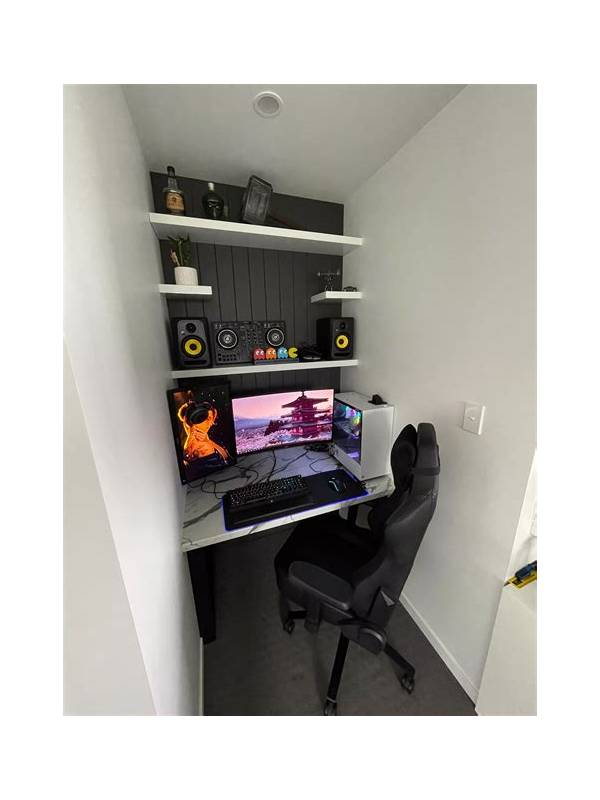
A Low-Stress Rummy Session Setup for Small Spaces
Arrange a small play area and device so that rummy decisions remain comfortable and visible. [...]