Rummy How-To: Divide a Hand Into Stable and Moving Parts
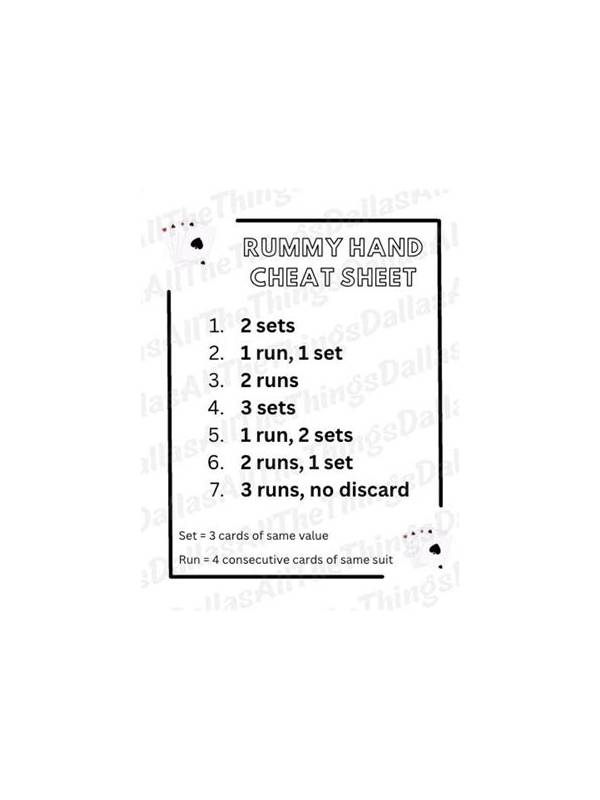
A stable-and-moving sort gives each part of a hand a different job. Stable parts are groups that already meet an important requirement or have strong protection. Moving parts are pairs, loose connectors, and speculative combinations that may change after the next draw.
Start with the rules. A group should not be called stable merely because it looks tidy. Confirm whether it is a legal sequence or set, whether a pure sequence is required, and whether a joker is being used correctly. Put verified foundations in the stable section and avoid repeatedly rearranging them without a clear reason.
Next, gather the moving parts. For each one, name its best direct improvement and its first release candidate. A pair may move toward a set or be broken if it blocks a better sequence. A middle card may support two routes but should not be treated as permanent protection. This language keeps flexibility from becoming indecision.
After each draw, check whether the new card belongs in a stable group, strengthens a moving part, or replaces one. If it does none of these, it may be a discard candidate. Make the update before choosing the final discard so the new card is evaluated by function rather than excitement.
The split also helps with timing. Early in a round, moving parts can remain broad. As turns decrease, narrow the list and protect the route with the lowest recovery cost. Near declaration, recheck every stable group against the exact rules and release anything that only appears complete.
Practice with physical cards or a no-stakes interface. Set a timer for one minute, make the two sections, and explain why each card is where it is. A good explanation mentions evidence and a next action. If a card has no stable role and no moving route, the hand has already told you what to examine next.
Related Post
Rummy Safety: Keep Your Playing Posture Sustainable
Comfortable posture and planned visual breaks help keep a rummy session from becoming a physical [...]
Rummy FAQ: What Makes a Card a Good Connector?
Learn how suit, rank distance, and alternative uses determine whether a card is genuinely useful. [...]