Rummy Guide: Use an Evidence Ladder for Discard Reads
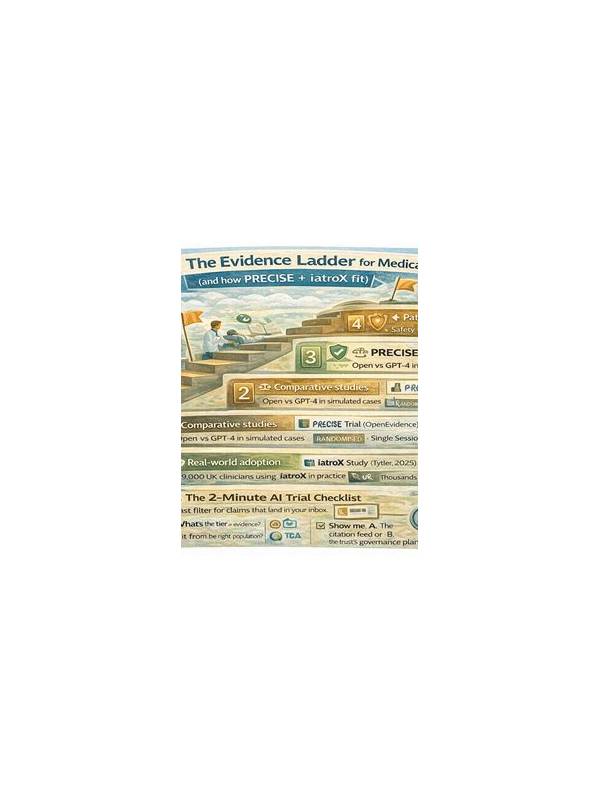
Reading discards can improve decisions, but it can also create false confidence. An evidence ladder keeps observations in proportion. Place each inference into one of three levels: directly observed, reasonably suggested, or purely possible.
Directly observed facts include the card another player discarded, the cards they picked up when visible, and the number of turns that have passed. These facts are reliable, although their meaning may still be uncertain. Record them without adding a story.
Reasonably suggested interpretations connect several facts. If a player repeatedly avoids one suit and discards cards around a different rank, you may suggest that their priorities lie elsewhere. This is a clue, not a conclusion. Keep it flexible because a player may be discarding for reasons you cannot see.
Pure possibilities include claims such as “they must need this exact card” or “they cannot have that sequence.” These may be useful for generating questions, but they should not control a major decision without additional support. A possibility is a branch in your analysis, not evidence.
Before discarding a card that could help another player, ask which level supports your concern. If it rests only on a possibility, compare that risk with the damage of keeping the card. If several direct observations support the same interpretation, the risk deserves more weight, but it still should not override your own hand’s urgent needs automatically.
Update the ladder whenever new information arrives. A later discard can weaken an earlier theory, and a pickup can make a previously vague pattern clearer. Do not defend an old read merely because you spent time forming it.
This method is also useful after a hand. Separate what you knew from what you guessed, then check which guesses were accurate. The goal is not perfect prediction. It is to make uncertainty visible so that a dramatic-looking discard does not receive more weight than it deserves.
Use neutral notes such as “seen twice” or “possible suit preference” instead of labels like “definitely building.” Neutral wording makes it easier to update your view. It also reduces the chance that a single opponent’s unusual move will turn into a fixed story that shapes every later discard.
An evidence ladder is most valuable when it changes what you do. If an inference has no effect on the discard comparison, do not spend much time refining it. Reserve detailed reads for choices where the information could reasonably move one candidate above another.
Related Post

How to Spot a Misread Rummy Group Before Declaring
A deliberate final scan catches suit, rank, and joker mistakes that can invalidate an otherwise [...]
Rummy Comparison: Chasing One Card Versus Preserving Options
A narrow one-card chase can be worthwhile, but preserving options is often safer when the [...]