Rummy Guide: Use Penalty Points as a Deadline
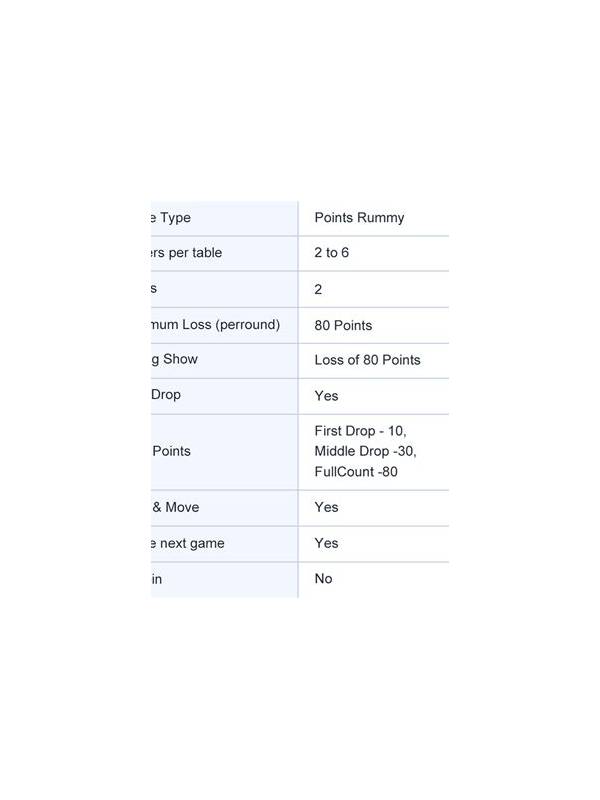
High-penalty cards deserve attention, but “discard high cards quickly” is too simple to be a complete strategy. A high card may be part of a strong sequence, while a low card may be useless and difficult to release. Treat penalty value as a deadline that prompts review rather than as an automatic discard command.
First, identify the card’s current job. Is it in a legal group, a developing route, or a speculative idea? A high card with two realistic completion routes can justify a short waiting period. A high card that is merely sitting beside unrelated cards should move toward the top of the discard queue.
Set a deadline using information you can observe. You might review the card after one more draw, after a particular public card appears, or when the hand reaches a late stage. Write the condition in plain language: “If this card gains no connection by the next review, release it unless the rules make its risk unusual.” This creates discipline without pretending the future is known.
Compare the penalty with the cost of breaking another group. Discarding a high card may feel efficient, but if it destroys a flexible pair and leaves several isolated cards, the hand can become worse. Conversely, protecting a high card simply because it might help later can make you miss a safer improvement. The deadline helps expose both forms of stubbornness.
Near the end of a hand, shorten the deadline and emphasize legality and exposure. There may not be enough time for a speculative route to mature. In an early position, keep a high card briefly when the evidence is strong and the alternative is weak. Review the assumption at the stated time. A deadline is useful only when you actually honor it. Do not confuse a deadline with a guarantee that the card will be bad after it passes. It is a decision rule for managing limited attention and time. If new evidence arrives, you may reset the deadline deliberately, but write down why. Naming the exception keeps the rule from dissolving into “just one more turn.” That small discipline protects both strategic flexibility and sensible risk control. The note can also become a review prompt for the next session. Ask whether the deadline was visible, whether the alternative improved, and whether you honored the stated condition without inventing an exception.
Related Post
Rummy Guide: Mark a Card That Has Become Redundant
Identify cards that no longer add a separate function after your hand improves. [...]
Rummy Safety: Protect Your Device on Shared Networks
Basic device and network habits reduce avoidable account risk when playing away from home. [...]