Rummy Guide: Use a Route Scorecard Without Chasing Precision
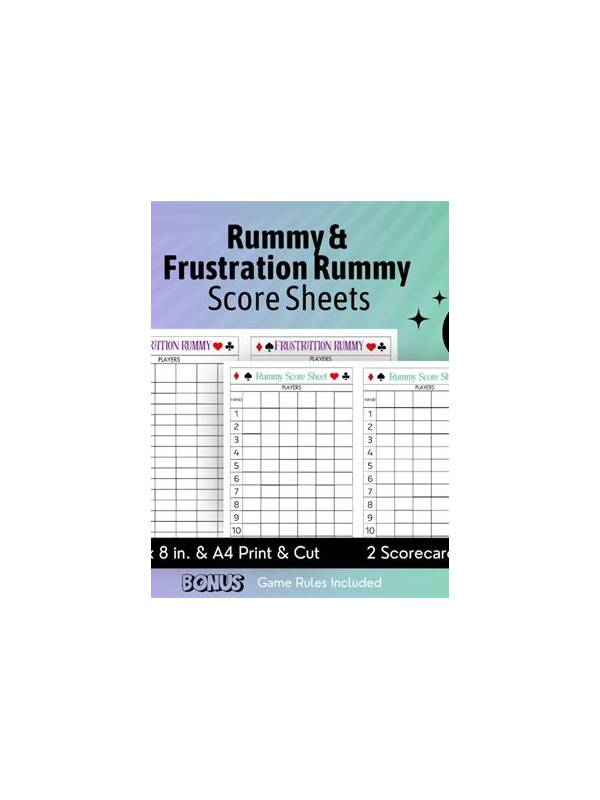
When several arrangements compete, a route scorecard can make the comparison visible. Give each candidate three ratings: progress, flexibility, and release cost. Use broad labels such as low, medium, and high. The purpose is not mathematical precision; it is to stop one attractive feature from dominating the whole decision.
Progress asks how much of the route is already supported. A route with a completed requirement or a strong connected base scores higher than a plan made entirely of hopes. Flexibility asks how many distinct cards or rearrangements could improve it. Release cost asks how difficult it would be to abandon if the next draw fails.
Consider two routes. One may have high progress but low flexibility, while another has medium progress and a low release cost. Early in a hand, the second may be more useful because it can improve in several directions. Later, the first may deserve priority because there are fewer turns to wait. The scorecard reveals the trade rather than hiding it behind a single ranking.
Keep each rating tied to current evidence. Do not give a route extra flexibility because you can imagine a rare combination. Count only distinct, realistic improvements. Likewise, do not call the release cost low if abandoning the route leaves several expensive cards stranded.
You can use symbols instead of words when practising: plus signs for progress, branching lines for flexibility, and a warning mark for release cost. The shorthand is useful only if you define it before the hand. Avoid adding numbers that suggest false accuracy. Broad ratings are enough to reveal a route that is progressing slowly, depends on one outcome, or would be costly to abandon.
Update the scorecard after meaningful information, not after every minor thought. A new card can raise progress, lower flexibility by completing one path, or change release cost by providing a useful alternative. Change the rating that changed; leave the rest alone.
If two routes remain close, choose the one you can explain more clearly. A clear explanation makes the next review easier and reduces impulsive switching. You can also use the route with the safer exit as a temporary plan while waiting for better information.
Afterward, compare your ratings with what you knew at the time, not with the result alone. A low-scoring route can still succeed, and a high-scoring route can miss. The scorecard is for disciplined choices under uncertainty, not for claiming certainty after the hand is over.
Related Post
Rummy FAQ: How Does an Ace Fit Into a Sequence?
Understand the usual ace rule in rummy and avoid treating the ace as both low [...]
Rummy Comparison: Review Notes or Immediate Replay?
Choosing between reviewing a hand and immediately replaying it depends on attention, learning goals, and [...]