Rummy Hand Clarity: Three Passes Before a Discard
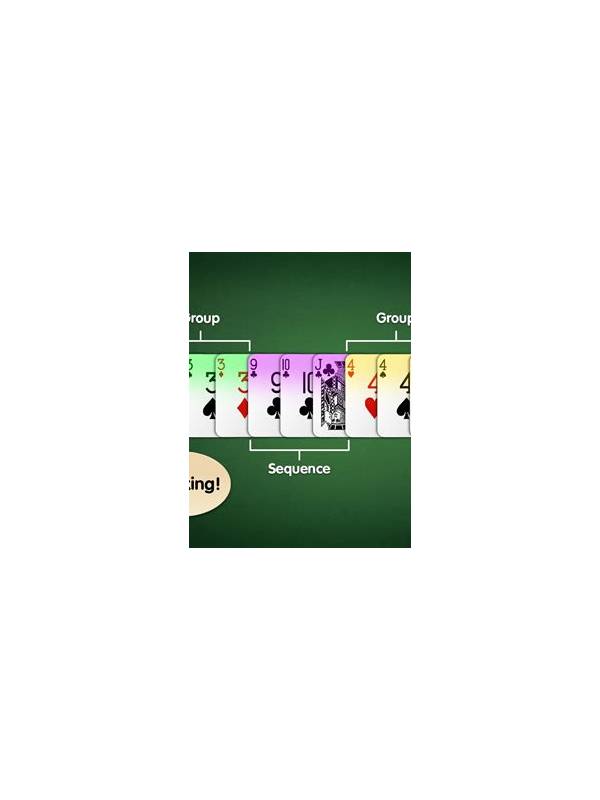
When a hand feels crowded, making one fast decision can be harder than making three short inspections. Before discarding, pass through the cards in a fixed order: completed groups, developing sequences, and loose cards. This routine creates clarity without requiring complicated calculation.
The first pass is protection. Identify every valid pure sequence, impure sequence, and set you already have. Mark which groups are complete and which still need a card. Do not rearrange a completed pure sequence merely because another arrangement looks attractive. Its value is structural as well as numerical.
The second pass is possibility. Look at ungrouped cards by suit and rank. Find one-step connections, pairs, and cards that a joker could sensibly support. Ask how many plausible draws each plan needs. A two-card sequence with an obvious neighbor generally deserves more attention than a speculative plan requiring two exact cards.
The third pass is release. Examine the cards that did not receive a strong role. Compare them by points, flexibility, and interference. A high isolated card is often a sensible discard, but a low card may be worse if it occupies a slot that could support a valuable sequence. The best release is the card with the weakest current contribution and the smallest loss of future options.
Use the same order after every draw. Consistency matters because it prevents the latest card from receiving too much attention. A new card can be exciting, but it may not improve the overall hand. Give it a role only after checking how it interacts with the groups already present.
The three-pass method also helps under a timer. You are not attempting to evaluate every theoretical arrangement. You are checking what is safe, what is promising, and what is expendable. If uncertainty remains, choose the discard that preserves the most independent plans and avoid breaking a valid foundation.
In review, note which pass you skipped when a decision went poorly. Players often discover that they noticed a promising sequence but failed to inspect the completed groups, or that they released a card without comparing its possible connections. A repeatable inspection habit turns a vague feeling of confusion into a specific skill to practice.
You can also rehearse the passes with paper cards. Pause after a mock draw, name the three strongest observations, and then compare your discard with a friend’s explanation. The goal is steady process, not instant perfection.
Related Post

Rummy Comparison: Paper Notes or In-App History
Paper notes and digital history serve different review needs, so the best choice depends on [...]
Rummy How-To: Make a Three-Label Card Inventory
Three simple labels can turn an unfamiliar rummy hand into a clearer set of decisions. [...]