Rummy Hand Cleanup: Remove Mental Clutter Before Choosing a Discard
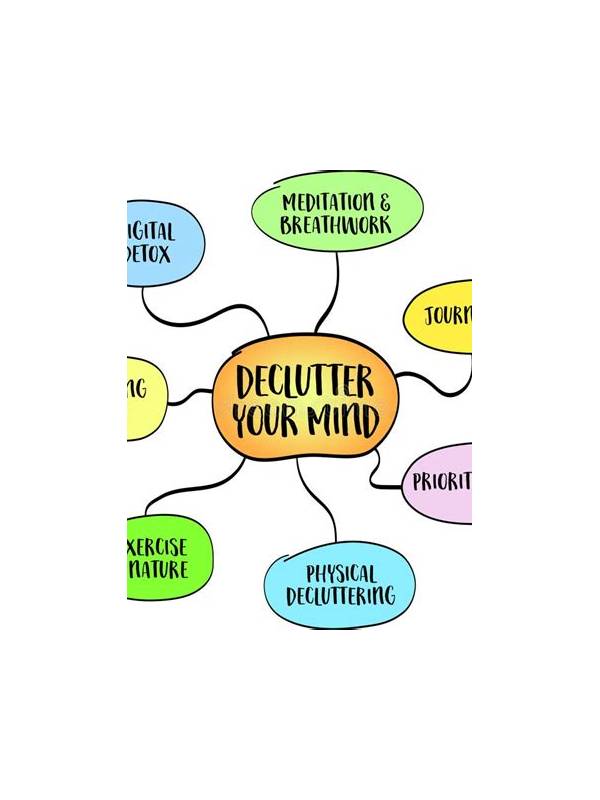
Mental clutter can make a manageable hand appear impossible. Players may remember a discarded card, an earlier plan, and several imagined outcomes while failing to see the current groups. A hand cleanup is a short reset that returns attention to the cards and active rules.
Place cards into visible categories: complete groups, partial sequences, possible sets, and loose cards. Keep categories separate enough that one card is not accidentally counted twice. If the app offers automatic sorting, check the result rather than trusting that a neat row represents a legal group.
Remove plans that depended on cards no longer relevant or on an assumption that has been disproved. Do not carry forward the belief that a card is valuable because it was your first draw. The hand is a new state after every turn. Keep lessons in a note without preserving stale commitments.
Ask one question at a time. First decide whether the draw source is useful. Then review the new card’s role. Finally compare discard candidates. Mixing all three increases accidental choices. It is fine to retain two plausible plans if you can explain their difference and a review trigger.
Choose the discard that best fits current evidence and confirm it under the rules. After the turn, release the analysis. Repeated cleanup should make the hand clearer, not make every decision slower. Cleanup should be a reset, not a ritual that delays every action. Use it when the hand becomes crowded, a plan has failed, or an interruption breaks your concentration. If the timer is active, perform the shortest version: complete groups, best partial group, loose card. Avoid moving cards repeatedly when a visual change does not alter legality or flexibility. A clean arrangement should make the next question obvious. It should also expose cards that are being counted twice or protected for sentimental reasons. In practice, review a screenshot or written hand after the round and try the cleanup away from pressure. Notice which categories help and which create more confusion. You can then tailor the order to your device and variant. The final aim is a hand you can describe accurately in one sentence. Once that description is available, choose the next legal action and stop carrying old assumptions into the following turn.
Related Post
Rummy How-To: Make a Three-Question Midgame Check
A three-question midgame check helps you update groups, deadlines, and penalty exposure without stopping play [...]
Rummy Comparison: Drawing From Stock or Discard
Compare the strategic and informational tradeoffs between an unknown stock card and a visible discard. [...]