Rummy Hand Heatmaps for Finding Crowded Ranks
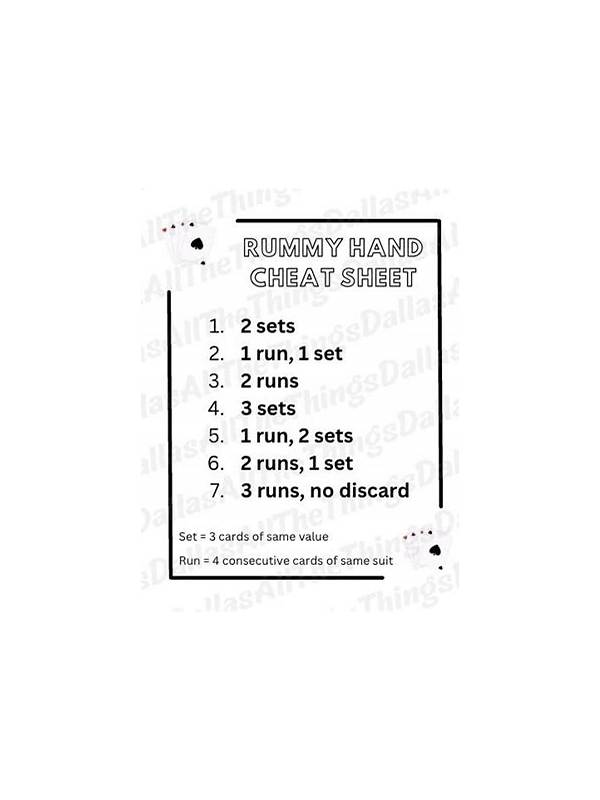
When a rummy hand feels crowded, the problem is often not the number of cards but the number of competing ideas attached to them. A small hand map can make that tension visible. A heatmap does not predict the next card and it does not replace the rules of the format. It is simply a way to mark where your current possibilities overlap.
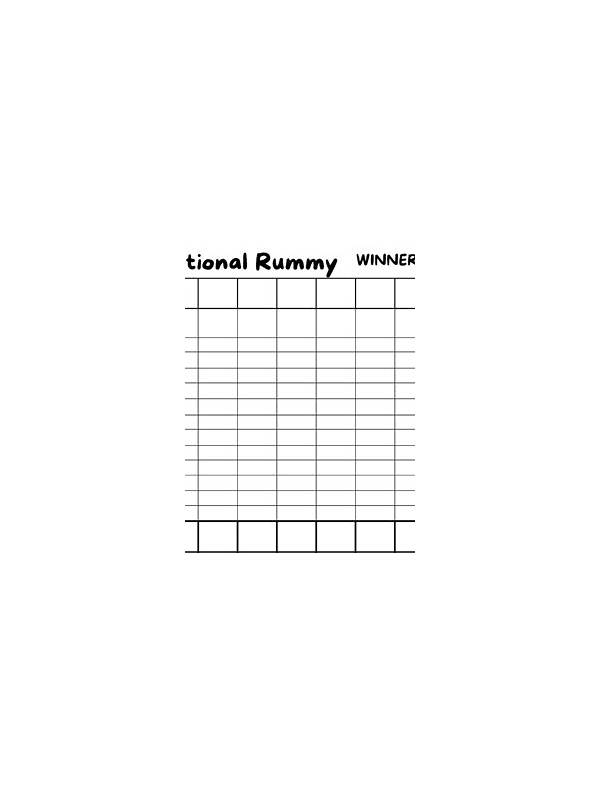
Start by writing the four suits in separate rows and the ranks in order across each row. Place a dot for every card in your hand. Then circle cards that belong to a confirmed group, underline cards that could join more than one sequence, and leave a small mark beside isolated cards. The result is a picture of your hand rather than a string of impressions.
Look first for crowded ranks. Suppose a seven can connect to a six and eight in one suit, while the same rank is also part of a possible set. That card has several jobs. It may deserve protection, but it can also make you reluctant to discard a neighboring card. Marking it as “hot” tells you to review it deliberately instead of automatically keeping it.
Next, find cold areas. A high single with no nearby card and no matching rank is usually easy to explain, even if the exact discard depends on the variant. A pair can be warm rather than hot: it has a possible set route, but it may not connect to a sequence. These labels help you compare cards by structure instead of by emotion.
Use the map after each meaningful draw, not after every click. Remove the discarded card, add the new one, and redraw only the marks that changed. Ask three questions: Which card now supports the most routes? Which route has become too narrow? Which card is being kept only because it used to look promising?
Heatmaps are especially useful in practice because they expose attachment. If every card is circled, your categories are too generous. Limit yourself to three levels: confirmed, plausible, and isolated. The exercise works when it makes one or two decisions clearer, not when it turns the hand into a complicated chart.
Finally, compare the map with the result only as evidence. A “cold” discard can still be unlucky, and a “hot” card can still become a burden. The goal is a repeatable explanation for your choice. Over time, these small maps can show whether you routinely protect crowded cards too long or abandon flexible cards too quickly.
Related Post
Rummy FAQ: Why Can a Safe Discard Still Be Unhelpful?
A discard can reduce your immediate risk yet still give up flexibility or useful information. [...]
Rummy Tips: Use Fewer Assumptions About Opponents
Separating observed discards from guesses about opponents makes rummy decisions more accurate and less emotionally [...]