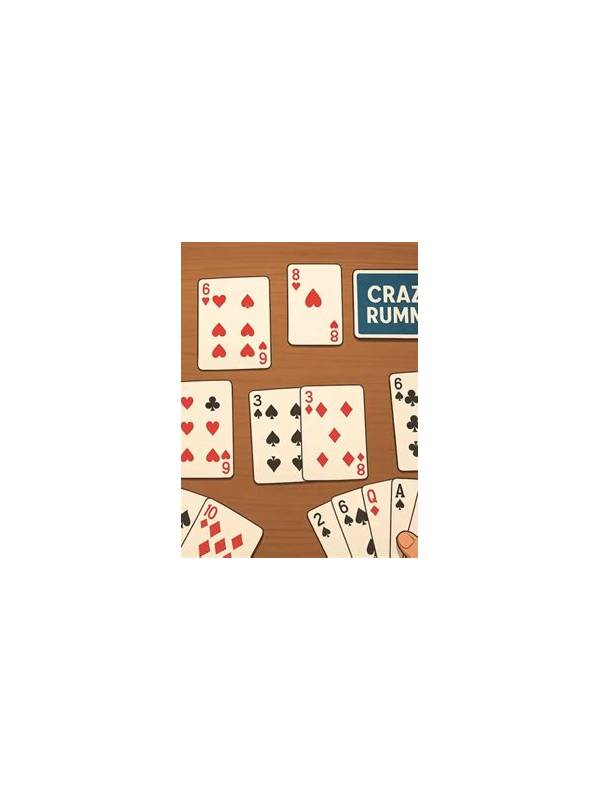
Rummy Hand Insurance: Keep a Safe Backup Group

A rummy hand can look promising while still depending on one fragile idea. Perhaps two cards are waiting for a narrow connector, or a joker is being reserved for a combination that may never arrive. A useful way to reduce that uncertainty is to keep a safe backup group: a sequence or set that is already sound enough to preserve while you investigate better options.
Start by identifying the hand’s strongest structure. A completed pure sequence is usually valuable because it satisfies an important requirement in many Indian rummy variants. A natural set can also be a dependable anchor when the remaining cards are difficult to connect. Do not call a group “safe” merely because it contains three cards. Check suit, rank, and the exact rules of the table.
Once the anchor is identified, separate the remaining cards into two categories: cards with realistic connections and isolated cards with little support. The backup group should not be repeatedly broken for a speculative improvement. If a new card can improve an unfinished group without disturbing the anchor, consider it. If the proposed improvement requires dismantling the only reliable structure, measure the risk carefully.
This approach does not mean holding every useful card. A backup group has a cost: it occupies space and may prevent a more efficient arrangement. Reassess it after each draw. Ask whether the group still contributes to a valid final hand, whether another group has become stronger, and whether the cards you retain are attracting unnecessary points. A completed low-value group is not automatically better than a flexible plan, but it often provides stability.
The idea is especially helpful for beginners because it replaces vague optimism with a visible priority. Mark one structure mentally as protected, then make ordinary decisions with the other cards. Avoid announcing your plan in chat, and remember that opponents’ discards are evidence rather than promises. A safe backup group cannot guarantee a win, but it can prevent one uncertain combination from controlling the entire hand.
For practice, deal several sample hands and name the anchor before making any imaginary draw. Compare your first choice with the group you would protect after three turns. This exercise teaches flexibility: the best anchor is allowed to change when the evidence changes. Keep notes about the reason for each change, and stop when attention fades. The protected group should also be easy to verify visually. Keep its cards together in the interface or on a paper layout, and separate uncertain cards with a small gap. This reduces the chance that a card is accidentally counted twice. When a new draw changes the hand, rebuild the groups from the actual cards instead of relying on a remembered arrangement. That habit is particularly useful after a disconnect or a distracting notification. Stability comes from clear information, not from pretending that the first plan must work.
Related Post
Rummy Comparison: Visible Evidence Versus Hidden Cards
Comparing visible discards with unknown cards helps players choose plans that match the evidence. [...]
How to Review a Finished Rummy Hand Without Guessing
A short post-hand review can reveal repeatable decisions without turning one result into a false [...]