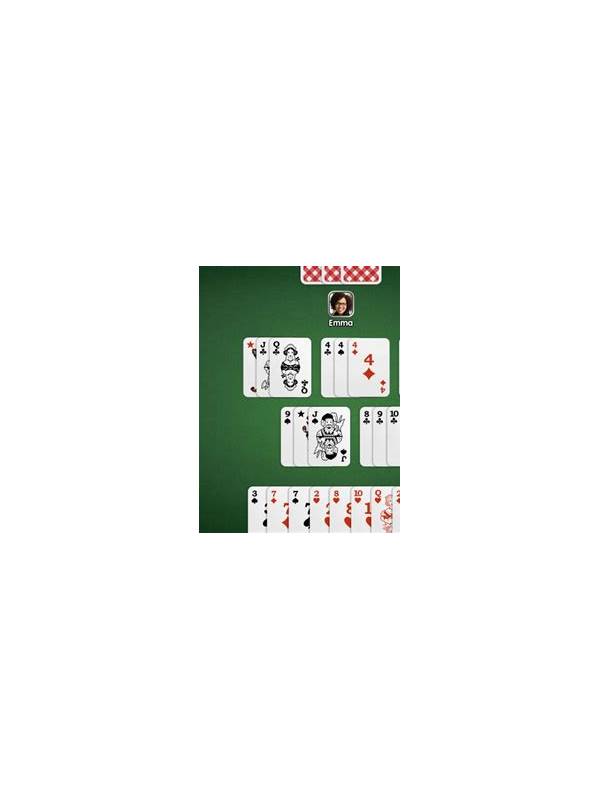
Rummy Hand Labels: A Simple System for Clearer Thinking
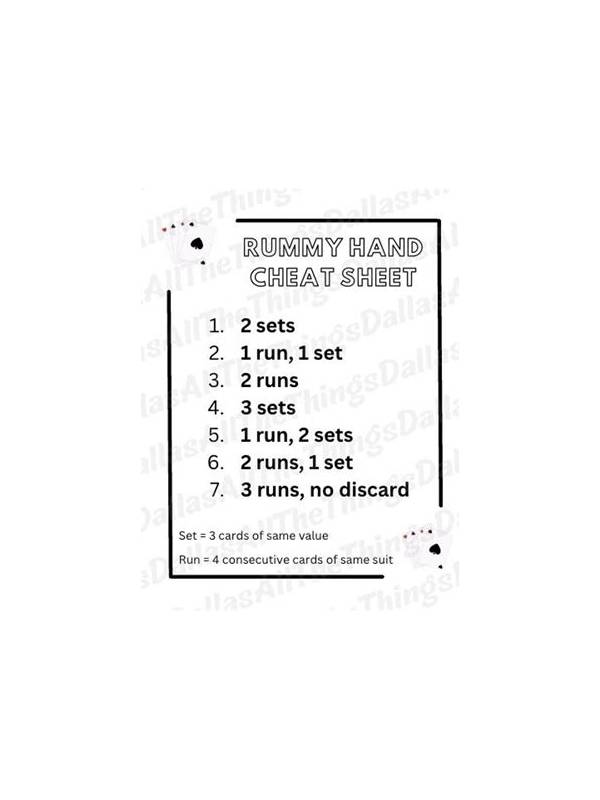
Many rummy mistakes begin with unclear card roles. A player sees a pair, a connector, and a high singleton but treats them all as equally valuable. A small labeling system can make the hand easier to read. The labels are not permanent: they should change as new cards arrive. Their purpose is to show what each card is doing now and what evidence would change that role.
Use four practical labels. “Foundation” marks a confirmed legal group that you expect to preserve. “Candidate” marks a card with at least one realistic connection. “Bridge” marks a card that can support more than one route. “Loose” marks a card without a useful current relationship. You can add “review” to a card whose role depends on a rule detail or a joker placement.
Apply the labels after sorting by suit and rank. Do not label based only on a card’s face value. A middle card may be a strong bridge, while a high card can be safe when it completes a confirmed set. For each candidate, name the missing card or cards that would improve it. If you cannot describe the improvement, the label is probably wishful rather than useful.
Re-label after every draw and discard. A candidate that fails to improve for several turns may become loose. A loose card can become a bridge when a matching rank appears. A foundation should remain protected, but check that it is legal and that no card is being used in two imagined groups. The system is designed to expose overlap, not to encourage you to keep every card with a possible job.
At the discard stage, compare loose cards first, then candidates with the highest repair cost. Preserve a bridge only when its alternatives are credible. If two cards have similar points, prefer the one with clearer evidence and fewer competing uses. At the end of the hand, review whether your labels changed early enough. The lesson is usually not “keep bridges forever”; it is “update card roles when the information changes.”
Labels are especially useful when explaining a hand to someone else. Instead of saying that a card “looks good,” say that it is a bridge supporting two one-card routes, or that it is loose and carries a high penalty. This vocabulary makes disagreement more precise. Another player may judge the evidence differently, but both of you can identify the assumption being debated. That is valuable for practice and review.
Related Post
Rummy Decision Language: Replace Vague Instincts With Clear Terms
Use precise words for risk, flexibility, and progress to improve rummy decisions and reviews. [...]
Rummy How-To: Make a Three-Question Midgame Check
A three-question midgame check helps you update groups, deadlines, and penalty exposure without stopping play [...]