Rummy Hand Shape: Compare Runs, Sets, and Deadwood
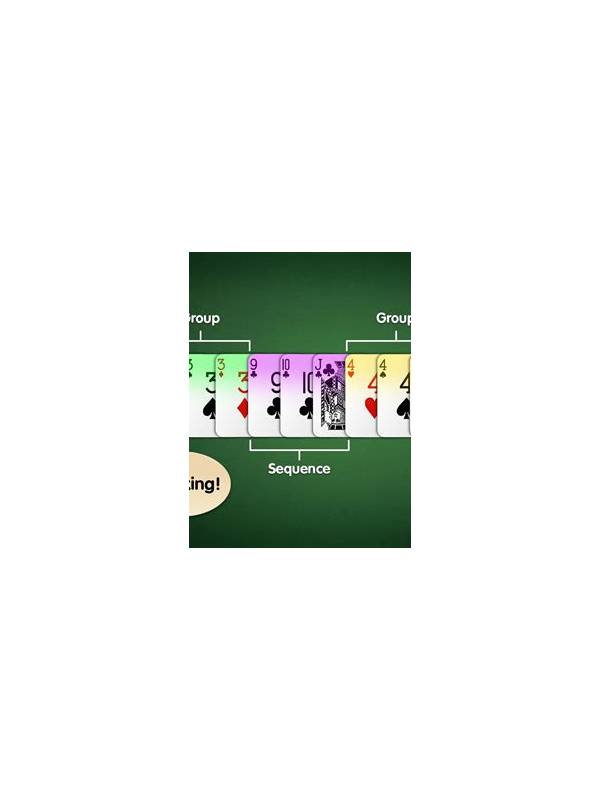
A rummy hand is easier to manage when you view it as a shape rather than a pile of individual cards. A hand built around one developing run behaves differently from a hand containing several pairs or a nearly complete set. Comparing these shapes helps you decide which cards deserve time and which should be released.
Runs are usually flexible when the cards are close in rank and share a suit. For example, a six and seven of the same suit can connect to more than one neighboring card. Their value comes from the number of realistic ways they can improve, not from the promise that improvement will definitely arrive. A separated pair, such as a four and nine of one suit, has less immediate connection and may need a stronger reason to remain in your hand.
Sets can be attractive because matching ranks are easy to recognize. However, a pair waiting for one of several suits can still compete with a sequence plan for space. If you collect too many pairs, your hand may appear promising while remaining difficult to finish. Ask whether each pair has multiple useful outcomes or whether it is simply being kept because it was received early.
Deadwood is the part of the hand that currently belongs to no convincing group. It is not automatically bad. A card can be deadwood for one turn and become a connector after a draw. The practical question is how expensive it is to wait. High-value isolated cards deserve regular review because they can increase the cost of an unsuccessful hand. Low-value cards may be safer to hold briefly, but they still need a plan.
To compare hand shapes, make three quick counts: completed groups, promising two-card combinations, and isolated cards. Then ask which change would improve the hand most. Sometimes discarding an isolated high card is best. Sometimes breaking a weak pair creates two better connectors. Sometimes the correct choice is to keep a flexible card and wait for one more piece.
Do not judge a shape only by how attractive it looks. Consider the discard trail, the pace of the table, and the rules of the format. A beautiful sequence idea is not useful if several needed cards are already visible elsewhere. The strongest plan is usually the one that offers clear alternatives while limiting the cost of waiting.
Related Post

Rummy Practice: Train the First Two Turns
Rehearsing early-turn choices can improve hand reading without requiring a long session. [...]
Rummy Comparison: Exact Odds and Practical Ranges
Exact odds and practical ranges answer different questions when you evaluate an uncertain rummy draw. [...]