Rummy Hand Shape: From Scattered Cards to Clear Groups
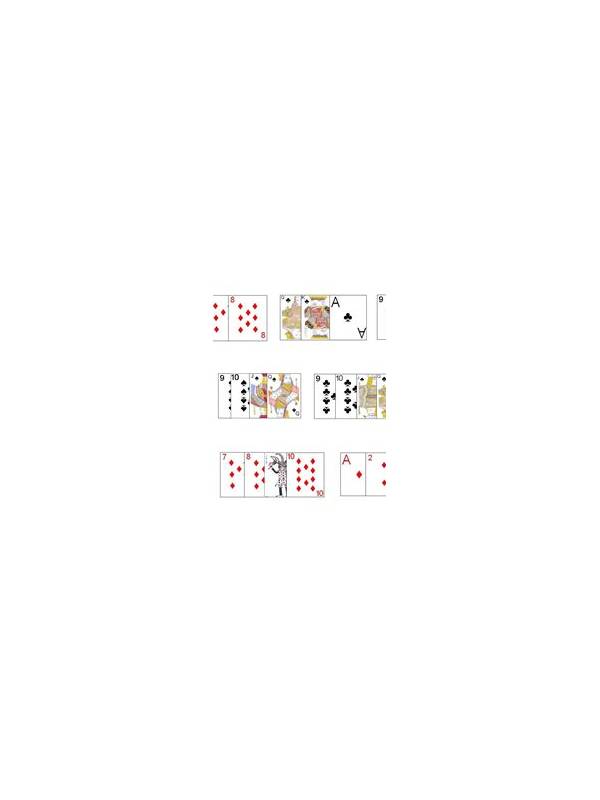
A hand’s shape is the pattern formed by its connected, flexible, and isolated cards. Thinking in shapes helps you decide what to protect and what to release before one attractive card pulls you into an expensive plan.
A connected shape contains a near-complete sequence, such as consecutive cards of one suit. It usually deserves attention because one or two cards may finish it. A flexible shape has several possible futures, such as a middle card that can connect on either side or support a set. An isolated shape has little support and should be reviewed often.
After the initial deal, sort the hand into these broad groups. Do not force every card into a group immediately. Leave uncertain cards visible so you can compare them. Ask which plan requires the fewest exact draws and which plan leaves the fewest penalty points if it fails.
When a new card arrives, update the shape rather than starting over emotionally. A card may improve one group while making another discard necessary. If a flexible card becomes part of a clear pure sequence, the remaining hand may be easier to simplify. If a new card creates another speculative pair, it may increase clutter instead of strength.
The shape can change near the end. A hand that was flexible early may become urgent when several useful cards have disappeared. Set a review point after each turn: identify your best group, weakest card, and most realistic next improvement. This three-part check is faster than evaluating every possible arrangement.
Do not confuse a pretty layout with a complete hand. Several pairs can look organized while failing the required sequence rules. Before declaring, return to the exact format requirements and verify each group. Shape is a planning tool; the rules determine validity. Using both keeps your decisions practical and your final check accurate. A useful shape question is, “What will this hand look like if the next card is unhelpful?” If the answer is a manageable low-penalty hand, your plan has resilience. If the answer is several expensive isolates, release the most restrictive card sooner. Planning for an ordinary miss prevents one hopeful draw from controlling the entire hand. When the shape is unclear, prefer a discard that preserves future choices and limits penalty. This is not a command to avoid every high card or every pair. It is a reminder to compare flexibility with cost. The right balance changes as cards appear, so review shape repeatedly instead of locking in a fixed ranking.
Related Post
Rummy Guide: Identify the Commitment Point in a Hand
Finding the moment when a plan becomes expensive to abandon makes later decisions clearer and [...]
Rummy FAQ: When Is a Middle Card More Valuable Than a High Card?
Compare middle and high cards by their practical connections rather than their face value alone. [...]