How to Separate Rummy Skill Practice from Real-Money Play
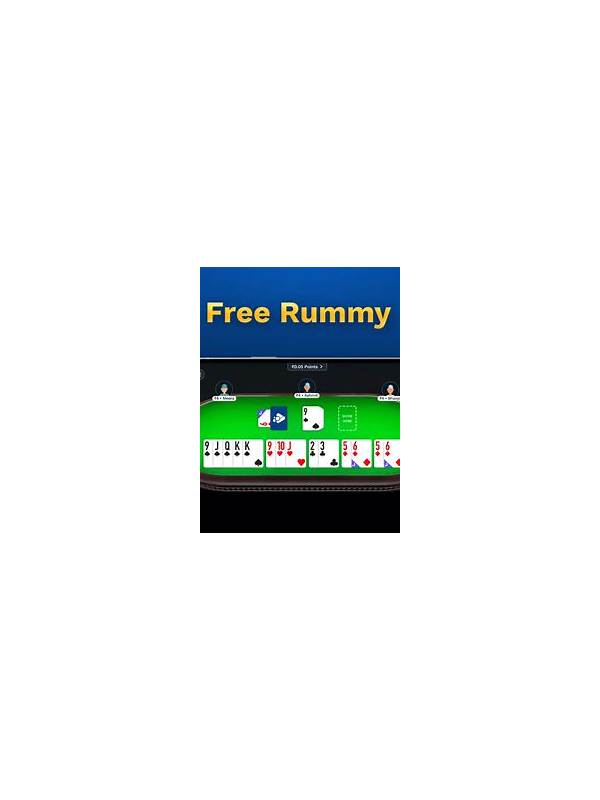
Skill practice and real-money play serve different purposes. Practice is for testing ideas, learning rules, and reviewing decisions. Real-money play adds financial and emotional pressure. Keeping the two separate prevents a practice experiment from becoming an unplanned expense.
Use practice mode to learn the interface first. Confirm how cards are selected, how discards are submitted, and how a declaration is checked. Test the table timer and reconnect behavior. These technical details are worth learning without an entry fee.
For strategy practice, give each exercise one objective. You might study how quickly you recognize a pure sequence or how you compare two discard options. Record the decision and the reason, but do not judge the exercise only by the eventual result. A lucky draw can make a weak process look good, while an unlucky draw can follow a sound choice.
Before moving to a paid table, read the format rules again and set a fixed limit. The limit should include fees and should not be increased during the session. Decide a stop time and a pause trigger. If the platform does not offer the format or pace you understand, continue practicing instead of joining out of curiosity.
After a paid round, review it separately from practice notes. Ask whether the financial pressure changed your choices, speed, or willingness to stop. If it did, return to a free format and shorten future sessions. That is useful information about your playing environment, not a reason to chase a different result.
Do not describe winnings as proof of income or use borrowed money to continue. If play affects sleep, work, relationships, or essential spending, stop and seek appropriate support. Local age and legal requirements also apply.
Clear separation creates better learning. Practice answers “what can I understand and repeat?” Real-money play asks an additional question: “can I keep this activity within safe limits?” Both questions need honest answers before continuing. A practical test is to explain the activity in one paragraph: what it costs, how long you will play, what would make you stop, and what result you expect. If the explanation depends on winning back a previous loss or recovering money for an obligation, do not continue. Return to free practice, take a break, and seek appropriate support if the activity feels difficult to control. If your boundaries are repeatedly difficult to keep, do not increase them. Pause and use local support resources or a trusted person who can help you make a safe plan.
Related Post
Rummy Safety: Keep Game Notifications From Driving Decisions
Managing notifications can protect attention and reduce rushed decisions during online rummy sessions. [...]
Rummy Endgame Sorting When the Hand Is Nearly Ready
Finish a nearly complete rummy hand with a structured scan instead of last-second rearranging. [...]