Rummy How-To: Build a Decision Tree for the Next Draw
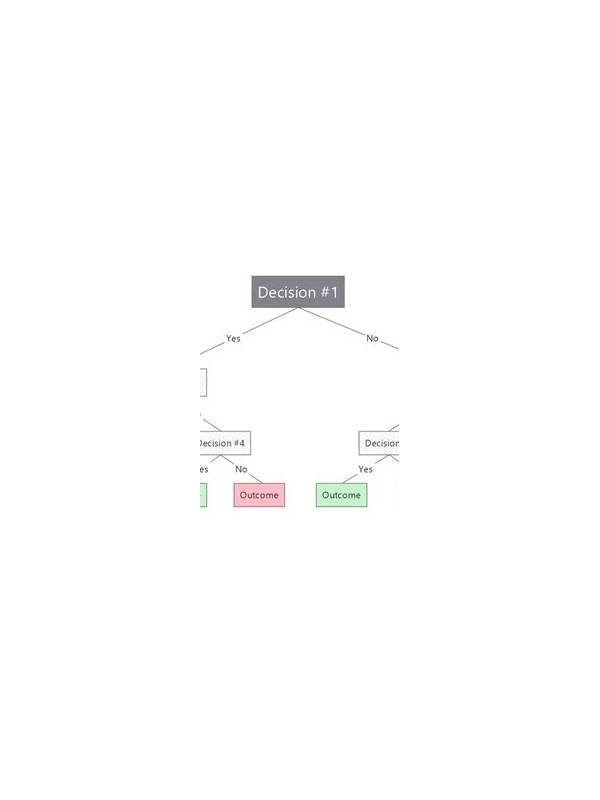
A decision tree is a short list of what you will do if different kinds of cards appear. It is not a prediction of the exact next card. It is a preparation tool that makes your response faster and less emotional when the draw changes your plan.
Begin with your current priority. Perhaps you are protecting a near-complete sequence, reducing a high-value singleton, or keeping two independent routes alive. Write down the best category of draw for that priority. Then write one alternative category that would require a change of plan. Keep the tree small; three branches are usually enough for a live turn.
For each branch, state the action in concrete terms. “If a card completes the sequence, lock the group and reassess the leftovers” is clearer than “play well.” “If a card does not help either route, compare the two highest-cost discards” gives you a repeatable response. Include a branch for an entirely unhelpful draw so you are not forced to improvise under pressure.
Do not assign certainty to the branches. A favorable draw may be less likely than an ordinary one, and the tree does not change that. It simply prevents you from clinging to the original plan after new information arrives. Reassess the tree whenever a visible card changes the available routes.
After the hand, review whether the branches were useful. If every draw belonged to one vague category, make the next tree more specific. If the tree contained too many branches to remember, remove the least important ones. The aim is a compact decision aid that keeps your reasoning adaptable while preserving a clear next action.
Write the tree before the hand becomes tense if you are practicing with physical cards. For an online table, a mental version can use three labels: complete, improve, and abandon. When the next card arrives, place it in one label and follow the matching response. If a card fits two labels, pause and compare the resulting hand shapes rather than choosing the first familiar move. A decision tree should be revised when the rules, number of players, or pace changes. It is a tool for the current context, not a permanent script that overrides new evidence. Keep the action attached to the branch, not just the card category. “Helpful card” can mean complete, improve, or create a new conflict. State what you will retain and what you will release. This makes the tree useful when two draws have similar numerical value but different effects on the rest of the hand. A good branch reduces hesitation while still allowing a fresh assessment when the situation genuinely changes.
Related Post

Rummy Session Preparation: A Five-Minute Pre-Game Routine
Rummy Session Preparation: A Five-Minute Pre-Game Routine offers practical guidance for clearer, safer, and more [...]
Rummy Comparison: Immediate Gain and Future Permission
Some choices improve the hand now, while others preserve permission to improve later; good play [...]