Rummy How-To: Build a Last-Card Verification Routine

The last card in a rummy hand deserves a deliberate check. When a hand appears nearly complete, excitement and time pressure can make an unfinished group look legal. A short verification routine reduces that risk without requiring you to rethink every choice from the beginning.
Begin by confirming the variant’s winning condition. Some formats require a particular number of sequences, a pure sequence, or a specific arrangement of sets and runs. Rules can vary between tables, so use the current game’s instructions rather than memory from another app. If the platform has a declaration preview, treat it as a helpful prompt, not a replacement for understanding the rules.
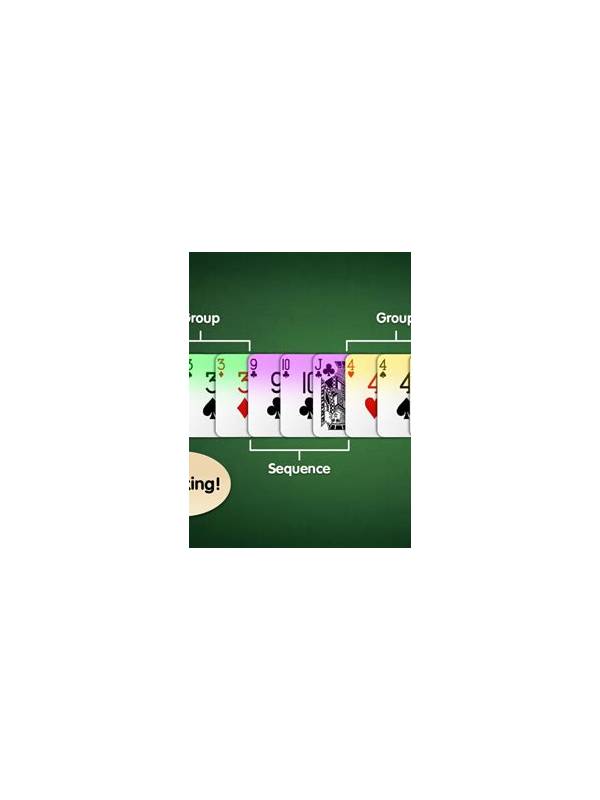
Next, identify your confirmed groups. A sequence normally requires consecutive ranks in the same suit, while a set normally requires matching ranks in different suits, but exact requirements and joker treatment may differ. Look at each group independently. Do not let a strong sequence make an adjacent loose card seem included by association.
Then inspect every ungrouped card. Ask which legal group contains it and whether that group still satisfies the variant’s requirements. A single leftover card can invalidate an otherwise attractive arrangement. If a joker substitutes for a missing card, say out loud—or note mentally—which card it represents and check that the substitution is allowed.
After that, test for overlap. A physical card should not be counted in two groups at once. Rearranging the hand can create an appealing picture in which one card appears to complete both a set and a sequence. Separate the groups visually and count each card exactly once. This is especially important when several cards share a rank or when jokers are involved.
Finally, perform a slow confirmation before pressing declare. Check the number of cards, the pure-group requirement, the validity of each group, and the identity of the final discard if the format requires one. If anything is unclear, use the rules panel or wait for the interface to display more information. A few seconds of checking is usually cheaper than correcting a preventable declaration error.
Practice the routine away from live play with sample hands. Give yourself a fixed time limit, then compare your result with the written rules. The habit should become calm and repeatable, not a source of panic. A last-card verification does not guarantee a win, but it helps ensure that a promising hand is presented accurately and legally. A calm final check protects both accuracy and confidence.
Related Post

Rummy Tips: Notice When a Card Serves Two Different Roles
Learn how to evaluate cards that can support more than one possible grouping. [...]
Rummy Comparison: Manual Sorting Versus Automatic Sorting
Manual and automatic sorting support different rummy tasks, and knowing when to switch between them [...]