Rummy Guide: Use a Decision Log for Repeated Mistakes
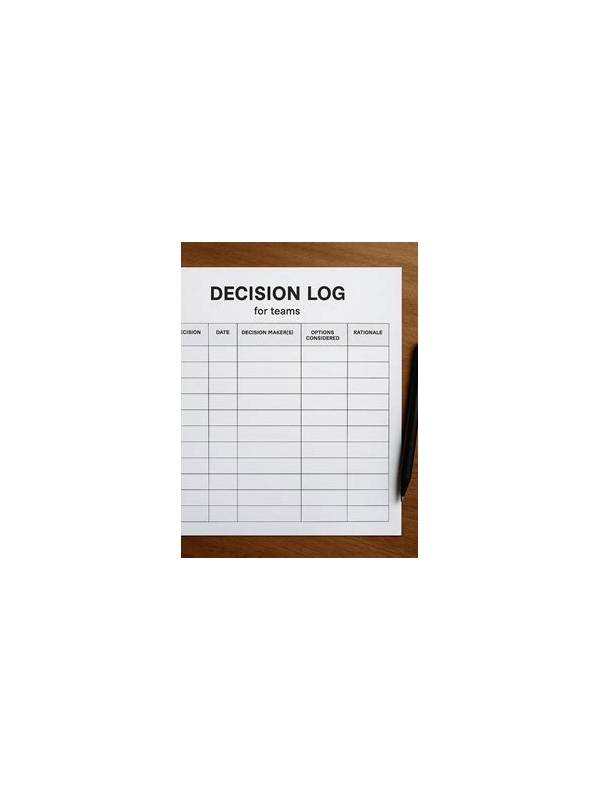
Memory is selective after a rummy session. You may remember a dramatic loss but forget the ordinary turns that led to it. A decision log gives you a neutral record. It does not need every card; a few notes about important choices are enough to reveal patterns and create useful practice goals.
Choose three fields: the situation, the choice, and the reason. The situation might be “two unmatched high cards and one near-sequence.” The choice could be “discarded the high card.” The reason should be short, such as “reduce penalty and preserve the sequence.” Writing the reason before seeing the result keeps the log focused on your thinking.
Record only turning points. Good candidates include taking from the discard pile, abandoning a group, keeping a joker, or making a declaration attempt. If you note every routine draw, the exercise becomes a burden and you may stop using it. A log works best when it is sustainable across several sessions.
At review time, sort notes into categories. You might find repeated issues with delayed discards, incomplete rule checks, or chasing a card after the plan has weakened. Look for at least three examples before calling something a pattern. One unusual hand can create a misleading story, especially when the result was unlucky.
Turn one pattern into one experiment. For example, in the next session review high-penalty cards after every draw, or state the required sequence before choosing a discard. Keep the experiment narrow so you can tell whether it helped. Protect privacy by storing the notes securely and omitting account details. The goal is better decisions, not a record of everything that happened.
Related Post
Rummy Rule Notes for Avoiding Variant Confusion
Build a compact rule note before playing an unfamiliar rummy format. [...]
Rummy How-To: Set a Stop Point for a Learning Session
A planned stop point keeps a rummy learning session measurable and prevents tired decisions from [...]