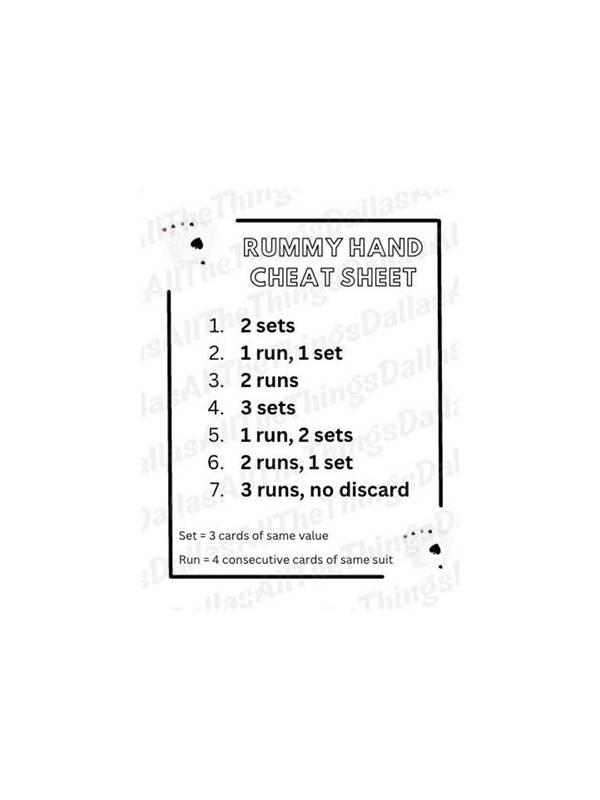
Rummy How-To: Build a Neutral Opening Range

An opening hand can look exciting before it is understood. You may notice a near-sequence, a pair, and one high card that seems ready to become useful. The danger is treating the first attractive pattern as a promise. A neutral opening range gives you room to gather information before choosing a main route.
You can practice this method with an ordinary deck by dealing a small hand and naming two routes without drawing again. The exercise is to keep both descriptions alive, not to predict the winner. Notice which card would be most damaging to discard and which card has the fewest useful connections. With repetition, the opening range becomes a quick mental scan that protects you from committing simply because the first pattern you notice feels satisfying.
Begin by sorting the hand into three groups: cards already in a reliable group, cards with at least two plausible connections, and isolated cards. Do not decide which group is the winner yet. The purpose is to describe what exists. A neutral range might include one possible sequence, one possible set, and a short list of cards that can be released without damaging either plan.
On the first turn, ask which draw would improve each route and which discard would preserve the most routes. This is different from chasing the most exciting card. If a discard removes a route entirely, label that choice as a commitment. If it leaves two workable arrangements, label it as a flexible move. Early turns usually reward preserving information and options while the table reveals its rhythm.
After one or two draws, narrow the range. Review the new card, the visible discard history, and any changes in your hand’s shape. A route should become primary only when it has a concrete completion path or a clear point advantage. If every route still depends on a single unlikely card, keep the range broad and release the most expensive isolated card.
The final step is to write one sentence in your head: “My main route is X, my backup is Y, and I will reconsider after Z.” Z might be another draw, a new discard signal, or a hand-size deadline. This sentence prevents silent drift. It also makes a bad draw easier to handle because you know what evidence would justify changing direction. A neutral opening is not passive play; it is a controlled delay before a more informed commitment.
Related Post
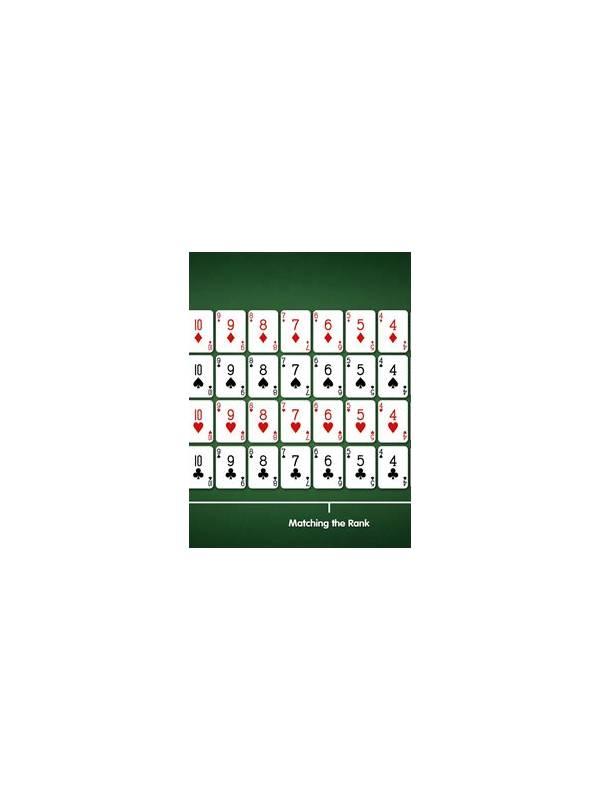
Rummy How-To: Make a Decision Log After Each Hand
A compact decision log turns a finished hand into specific lessons about structure, timing, and [...]
Rummy How-To: Handle Conflicting Signals in the Discard Area
A disciplined method helps players interpret mixed discard signals without treating one visible card as [...]