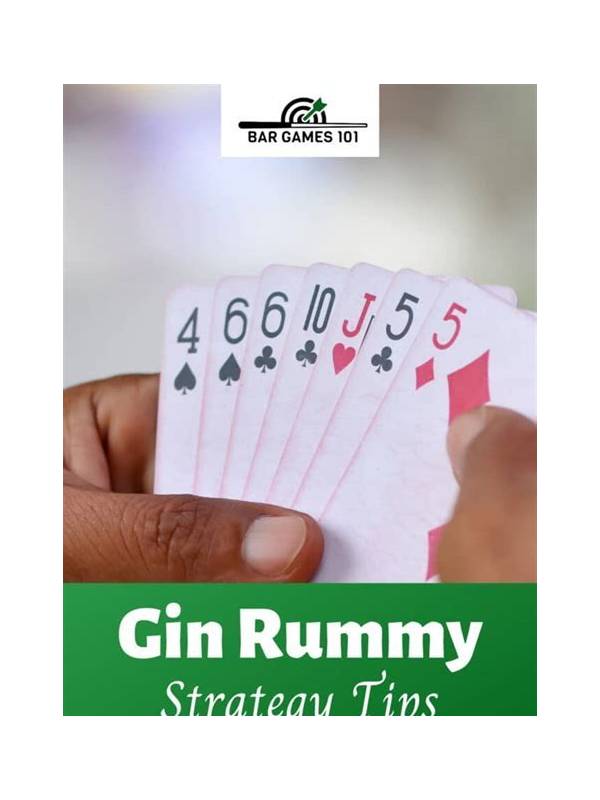
Rummy How-To: Build a Simple Endgame Checklist

Keep the checklist visible during practice, then remove prompts gradually as the order becomes automatic. If a platform offers an unfamiliar declaration interface, perform the checklist before pressing the final button. A short delay is preferable to discovering an invalid group after confirmation. The checklist should support accuracy, never pressure you to declare before you understand the position.
The endgame is where a promising hand can fail through one overlooked requirement. A simple checklist turns the final review into a sequence of observable checks. Keep it short enough to use under time pressure and adapt it to the exact rules of the table.
Start with legality. Count the groups you have and identify which are sequences, which are sets, and which include wild cards. Confirm that at least one sequence is pure if the rules require it. Do not count a group twice just because it can be described in two ways. Physically or mentally label each card once.
Next check the loose cards. For every ungrouped card, ask whether it can join a group immediately, whether it has a realistic one-card route, or whether it should be released. A low-value loose card is not automatically harmless; several low cards can still block a declaration. Likewise, a high card may be acceptable temporarily if it is part of a credible completion.
Then review the discard action. Make sure the card you plan to release is not the only card preserving a required sequence. Check that drawing from the open pile, where applicable, does not create an unintended obligation under the platform’s rules. If another player’s recent action changes what you believe is available, update the plan once rather than repeatedly rearranging.
Use a final-count check. Count the cards in each group and in your hand. Miscounts are easy when jokers or overlapping possibilities are involved. If the platform displays a declaration preview, read it carefully, but do not assume a green-looking layout overrides the written rules. When uncertain, pause and consult the official rules before playing for money.
Finally ask whether you are acting because the hand is legal or because you feel urgency. A declaration should be a measured decision. If a requirement remains unclear, do not guess to recover a loss or beat a clock. In free practice, record the uncertainty and verify it later.
The checklist is strongest when practiced on completed hands. Use the same order every time: legality, loose cards, discard, count, and emotional readiness. Consistency frees attention for the strategic choices that matter earlier in the round.
Related Post
Rummy How-To: Set an Information Checkpoint
An information checkpoint tells you when to pause and update your view instead of repeating [...]
Rummy How-To: Build a Three-Question Midgame Check
Use three focused questions to reassess a rummy hand after the opening phase. [...]