Rummy How-To: Check a Hand for Duplicate Commitments
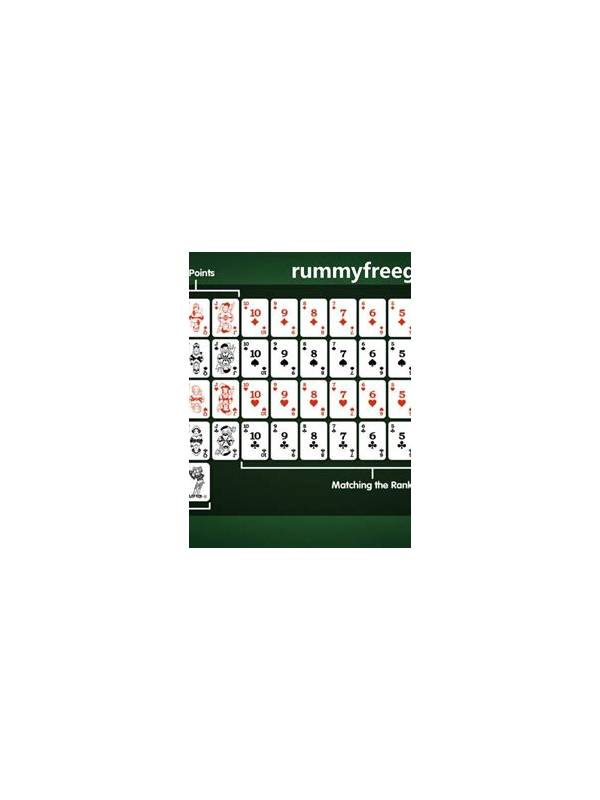
A duplicate commitment occurs when several cards rely on the same future event. Two separate run fragments may both need the same rank, or multiple pairs may all depend on matching cards. The hand can look busy while having very few independent ways to improve.
To check for duplicate commitments, draw a small mental line from each unfinished card to the card or cards it needs. If many lines point to one rank, mark that dependency. Then ask whether the shared target is actually available, whether it would solve more than one problem, and what happens if it never appears.
Shared targets are not always bad. One card that completes two structures may be highly efficient, especially if you can choose the stronger group. The danger is keeping too many dependent cards after the target becomes less likely or after another route becomes available. A hand should have some independent options as well.
If you find a crowded dependency, keep the card with the lowest replacement cost or the strongest alternative use. Release the card that has no role outside the shared target. This reduces the number of cards waiting for one event and makes the next draw more informative.
The check is especially helpful after picking from the discard pile. The visible choice may reveal that you are building around a rank already attracting attention. It can also create a false sense of progress because one card appears to fit multiple plans. Pause and verify whether those plans are genuinely separate.
Perform the check whenever the hand feels strangely stuck. A lack of progress often comes from duplicated commitments rather than bad luck alone. Once you separate the dependencies, the correct discard may become obvious. You are not trying to eliminate uncertainty; you are trying to avoid concentrating all uncertainty in one fragile hope.
Use simple marks when sorting: a star for a completed role, a question mark for a conditional role, and a line for a shared dependency. The symbols need not be written on the cards; they can be mental categories. After each draw, remove dependencies that no longer matter. This visual or mental cleanup prevents old plans from occupying attention after the hand has moved on and makes it easier to spot an independent route.
Related Post
How to Review Your First Three Rummy Turns
A focused early-game review can reveal whether your opening plan is improving or needs a [...]
Rummy Comparison: Written Notes Versus Memory After a Hand
Written notes and memory serve different review purposes, and combining them can produce a more [...]