Rummy How-To: Explain a Discard in One Sentence
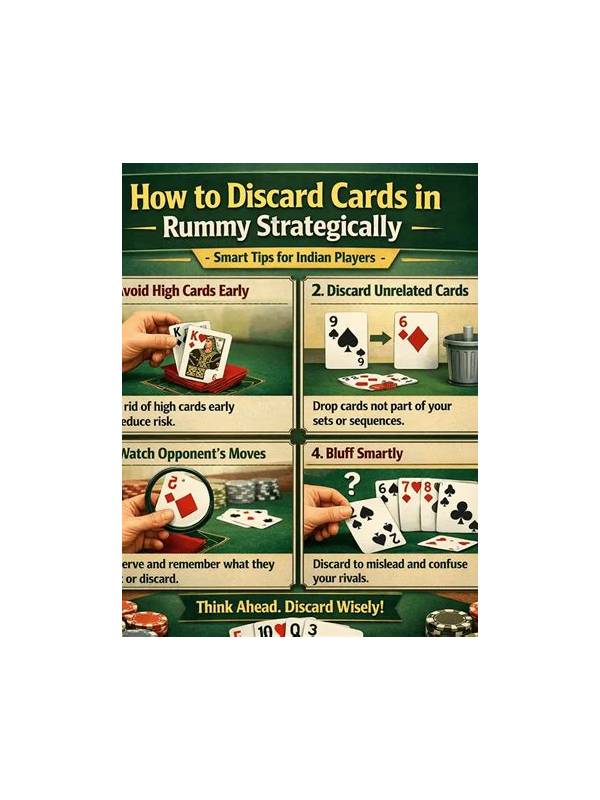
When a hand becomes crowded, a one-sentence explanation can reveal whether a discard is based on a plan or a reflex. The sentence is not for opponents; it is a private check that takes only a few seconds.
Use a structure such as: “I am releasing this card because it has the weakest role, while these cards protect my required route.” Keep the language factual. Mention the card’s point exposure, limited completion routes, or conflict with a stronger group. Avoid explanations based only on luck, such as “the deck should give me something better.”
If you cannot complete the sentence, pause and sort the hand again. Identify the secure group, the strongest candidate, and the least useful leftover. You may discover that two cards are genuinely close. In that case, state the tie-breaker: lower points, more flexibility, or less risk of helping an opponent. A clear tie-breaker is enough; certainty is unnecessary.
The test is also useful in review. Compare what you said before the discard with what you learned afterward. If the sentence was coherent but the draw failed, the process may still have been sound. If the sentence changed several times because you were chasing a card, set a deadline for narrow draws in future hands.
Use the routine only while it helps. Under a short timer, reduce it to a few keywords. If explaining every card makes you slower or more anxious, return to the core check. The aim is calm attention, not perfect narration. Practice without meaningful stakes, follow local rules, and stop if the game no longer feels recreational.
The sentence can reveal a hidden problem with the hand’s organization. If you keep saying a card is useful because it “might” connect, ask how many actual cards would make that true. If the answer is one narrow rank and the card is high value, the explanation is probably a warning rather than a justification. If you can name two credible routes and a requirement the card protects, holding it may be reasonable. Keep the sentence private; narrating decisions to opponents can reveal information and distract you. In review, compare the sentence with cards visible at the time, not with cards learned later. That distinction makes the test fair.
Related Post
Rummy Tips: Make Your Discards Easy to Explain
A brief explanation test can reveal whether a discard is based on structure, risk, or [...]
Rummy Discard Review: Three Questions Before You Let Go
Apply three quick questions to make rummy discards more deliberate and easier to review later. [...]