Rummy How-To: Make a Backup Plan for a Broken Sequence
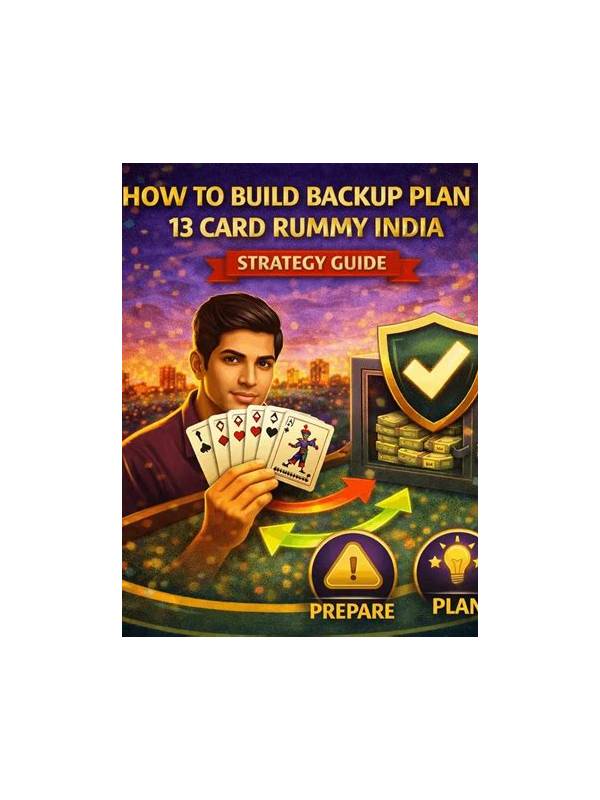
A sequence can look promising until one draw makes it awkward or impossible to extend. When that happens, many players keep waiting because they have already invested cards and attention. A backup plan helps you change direction while there is still time.
First, identify exactly what broke. Did the new card make another group more valuable, or did you simply fail to receive the expected extension? Separate the factual change from the emotional reaction. The sequence may still be viable, but you should no longer treat it as certain.
Next, choose one alternative using cards already in your hand. A pair may become a set, an adjacent card may support a different suited run, or a high card may be released to reduce points. The backup does not need to be perfect. It needs a clearer path than continuing to wait blindly.
Set a decision point. You might allow one more draw if the sequence has more than one useful extension, but switch immediately if the next card does not improve it. A deadline prevents sunk-cost thinking from turning a small weakness into a hand-wide problem.
When you make the switch, protect any confirmed structure first. Discard the card with the least support and the fewest future roles. Avoid breaking a completed group merely to preserve a damaged idea. If a joker is involved, review whether it is better used to stabilize the backup or keep the original plan alive.
After the hand, note whether the backup was visible early enough. The purpose is not to prove that the switch would have won. It is to improve your ability to recognize when a plan has changed status. A broken sequence is a normal part of rummy; refusing to update is the avoidable mistake.
Write the backup in neutral language. “If the next draw does not support hearts, protect the set” is more useful than “hearts should work.” The first statement contains a condition and an action; the second is only a hope. This small wording change can make a difficult switch feel like a planned part of play rather than an admission that the original idea was wrong.
Choose backups that use cards already present whenever possible. A backup requiring three separate future draws is not a practical backup; it is another long-shot plan. It is fine to keep one speculative idea early, but label it honestly and give it a shorter deadline than a structure with visible support. This keeps the hand adaptable without replacing one form of tunnel vision with another.
Related Post
Indian Rummy Table Etiquette for Online Players
Clear, respectful habits make online rummy tables easier to follow for everyone. [...]
Rummy FAQ: How Should You Treat a Promising Pair?
A pair is a possibility rather than a finished group, so judge its routes, points, [...]