Rummy How-To: Make a Declaration Checklist
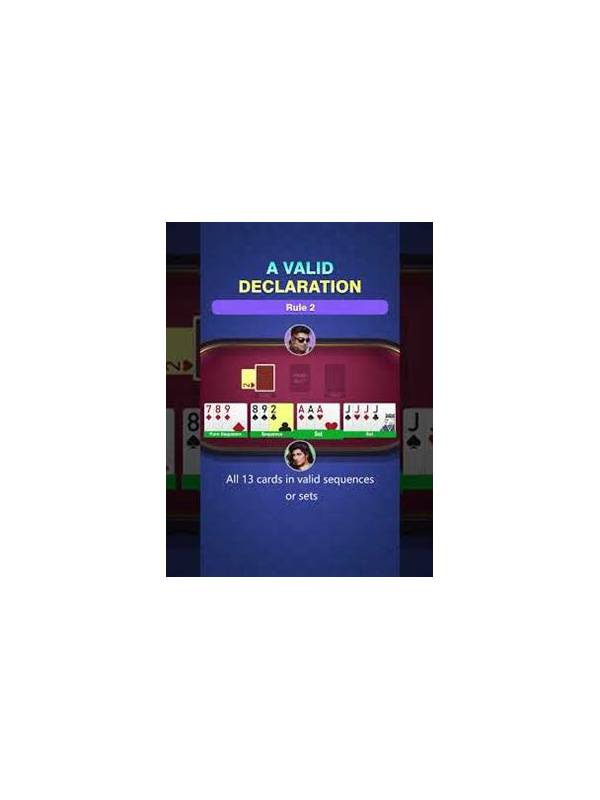
A declaration checklist is a final quality check, not a substitute for building the hand. It is most useful when the round is tense and a nearly complete arrangement makes mistakes harder to notice. Keep the list short enough to use every time.
First count the cards and confirm that the hand size matches the variant. Then identify every group by name: sequence, set, pure sequence, or another category required by the rules. Do not rely on a visual impression that cards “look connected.” Check suits and ranks one group at a time.
Second verify mandatory conditions. Some variants require a pure sequence, a minimum number of sequences, or a specific arrangement of remaining cards. Read the table’s displayed rules if any detail is unclear. Rules differ across formats, so a familiar strategy from another game may not apply.
Third inspect the leftover card or cards. Ask whether they are legally discarded and whether the declaration action itself is complete. A hand can contain several valid groups and still fail because one card is unaccounted for. Move each card into a named group or the permitted remainder before proceeding.
Fourth check the action button, entry, or confirmation wording. Make sure you are acting on the intended table and that no additional fee or commitment is hidden in the next step. If the interface behaves unexpectedly, stop and use official help rather than repeatedly clicking.
Practice the checklist away from pressure. Say the steps aloud or keep a permitted reminder beside you: count, group, requirements, remainder, confirm. After a failed declaration, record which step would have caught the issue. Over time, the routine becomes quick enough to protect accuracy without interrupting the flow of play.
If the interface shows a preview of the hand, use it as a prompt rather than assuming it is correct. Confirm that the preview includes the latest draw and that a selected card is not accidentally left outside a group. When the connection is slow or a button is unclear, wait for the state to update and consult official support afterward. A cautious pause is better than submitting a declaration you cannot verify.
Do the check before pressing a final confirmation, not after. If the platform permits a review screen, read the groups from left to right and match each one to a rule requirement. Keep the checklist independent of the desired result: being excited to finish is exactly when an extra card or wrong suit is easiest to overlook. Accuracy protects both the round and your confidence in the process.
Related Post

Rummy Comparison: Single-Deck and Two-Deck Decisions
Deck count changes the reliability of draws, the meaning of discards, and the value of [...]
Rummy Guide: Use a Two-Question Endgame Review
Two focused questions can help you check a nearly finished rummy hand before making a [...]