Rummy How-To: Make a Midgame Inventory in Thirty Seconds
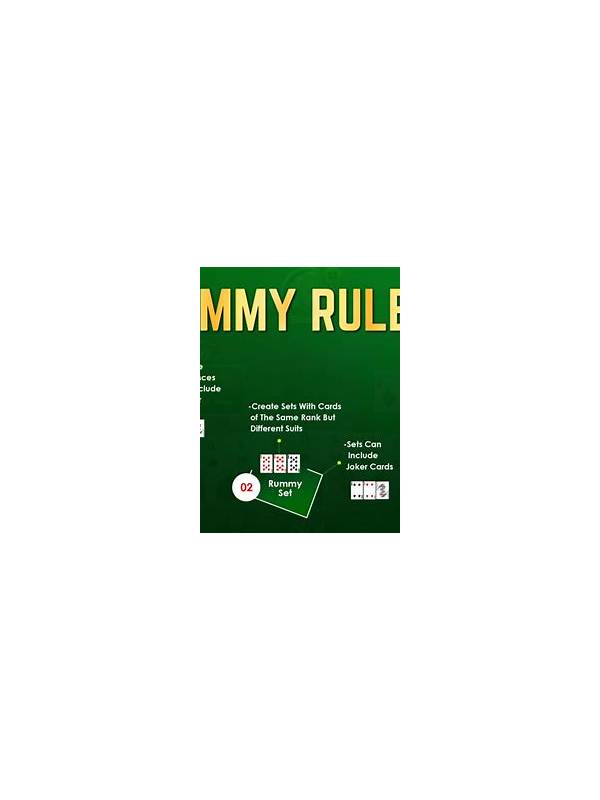
The middle of a rummy hand is where early hopes meet new information. You may have several partial groups, a growing discard pile, and less time to experiment. A thirty-second inventory gives you a reliable snapshot. It is not a full calculation; it is a short reset that identifies what is confirmed, what is possible, and what should leave soon.
Start by separating confirmed combinations from everything else. Count the cards already doing useful work. Then place remaining cards into three labels: strong pair, weak connection, and isolated. Use strict standards. A strong pair has multiple realistic finishes or supports a route already present. A weak connection needs a narrow card or competes with another plan.
Next, identify the hand’s most expensive unresolved card. This is often a high unmatched card, but it can also be a low card with no credible connection. Put it at the top of your discard queue unless it is necessary to a strong route. Do not keep it simply because it might become useful later; name the specific improvement you expect.
Check the discard pile for two facts. Which cards have recently been taken, and which needed connectors have already appeared without helping you? These facts do not reveal the entire deck, but they update your estimate. If your plan depends on a card that looks less available, lower its priority and examine the alternative.
Finish by selecting one primary route and one backup route at most. Write the next draw goal in plain language, such as “find a connector for the red run” or “reduce the unmatched face card.” This gives the next turn a purpose without forcing the result. If a draw does not serve either route, it should be judged quickly for discard.
Practice the inventory in casual hands until the labels become automatic. The routine is valuable because it interrupts emotional momentum. Instead of defending every card acquired earlier, you return to the current evidence. A short reset can turn a confused middle game into a manageable sequence of small decisions. If thirty seconds is unavailable, compress the inventory to three questions: what is already valid, what is the best realistic route, and which card is hardest to justify? The routine should fit the pace of the table. This keeps the method practical, focused, and easy to apply during the next ordinary turn. Use the result as a prompt for the next choice, then return attention to the current cards and visible evidence.
Related Post
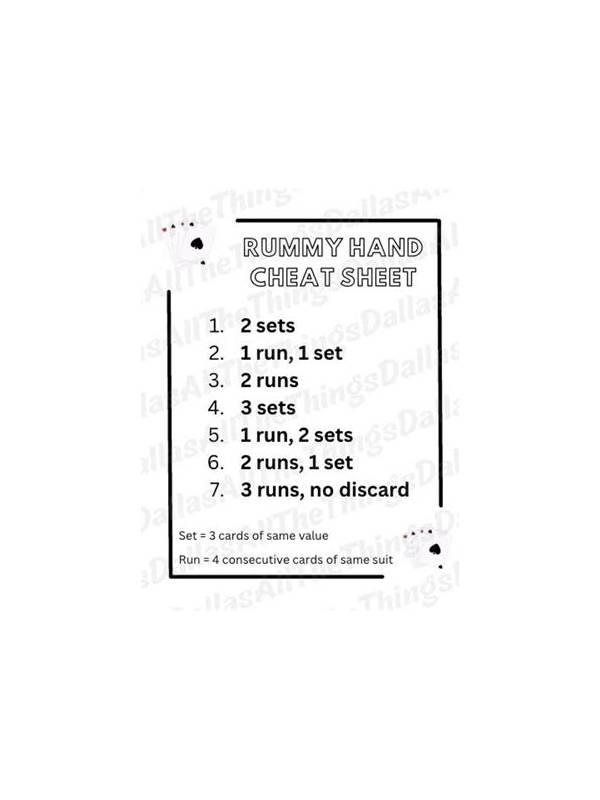
Rummy Guide: Build a Hand Inventory Before Choosing a Goal
A quick hand inventory turns a scattered set of cards into a practical list of [...]
Rummy FAQ: How Many Alternatives Should a Hand Keep Alive?
Keeping a small number of supported alternatives helps flexibility without turning every card into an [...]