Rummy How-To: Mark a Hand’s Uncertain Cards
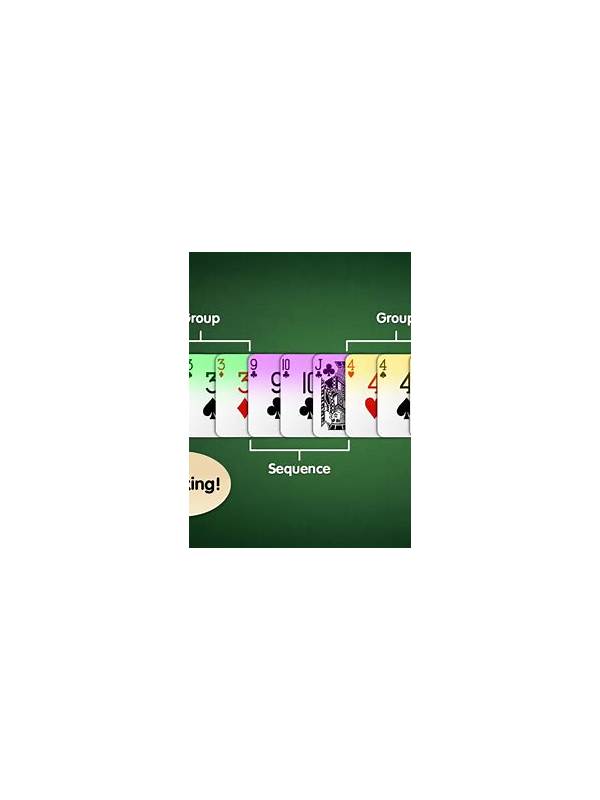
Every hand contains facts and open questions. You know the cards you hold, but you do not know the next draw or every opponent’s plan. Marking uncertain cards creates a useful middle ground between ignoring information and making confident predictions. The method can be mental, written, or represented by permitted interface cues.
Give each loose card one temporary label: likely useful, conditionally useful, or currently unclear. Likely useful cards already support a credible group. Conditionally useful cards depend on one or two specific improvements. Currently unclear cards have no convincing job yet. These labels describe the present hand, not the permanent value of the card.
Review labels after every meaningful change. A discard can make a conditional card less attractive, while a new card can give an unclear card a clear role. Do not update every label after every minor event. Choose the few cards affected by the information and leave the rest alone. This keeps the routine manageable.
When deciding what to discard, compare cards with the same label first. Among two unclear cards, prefer the one with higher points or fewer plausible future jobs. Among two conditional cards, prefer the route with a lower repair cost. A label is not a final answer; it is a prompt to compare the right details.
Avoid labeling a card “safe” merely because you have not seen it help another player. Unknown is not safe. Likewise, do not call a card useless just because it missed one draw. The labels should preserve uncertainty rather than disguise it. Use neutral words so the review does not become a story about luck or failure.
At the end of a hand, inspect two changes in status. Which card gained a job unexpectedly? Which card stayed unclear for too long? These observations can guide a single practice goal, such as identifying conditional routes earlier or releasing expensive cards sooner.
Keep the exercise separate from financial decisions. No label justifies extending play, adding funds, or ignoring a stop boundary. It is only a thinking aid for a recreational card game. When the aid makes you calmer and more precise, keep it; when it adds pressure, simplify or stop using it.
Labels can also help when a hand changes direction. Rather than defending an old label, cross it out and assign a new one based on current evidence. The visible change reminds you that plans are temporary. If you practice with paper cards, use small removable marks and clear them after each hand so one arrangement does not influence the next.
Related Post
Rummy Comparison: Open Melds Versus Hidden Possibilities
Compare the clarity and flexibility of exposing a group with the value of keeping a [...]
Rummy FAQ: Why Can a Low Card Still Be Difficult to Discard?
Card value is only one factor, and a low card may still connect several useful [...]