Rummy How-To: Reconstruct a Hand From Turn Notes
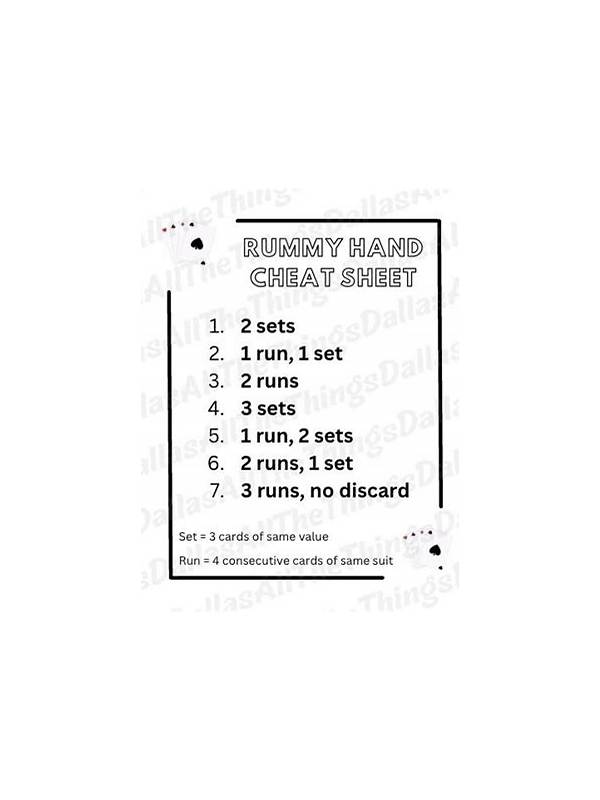
Reconstructing a hand does not require recording every card. The goal is to understand how your plan changed, which information was available, and when a better alternative became visible. Brief turn notes can provide enough structure for a useful review without slowing live play.
Record the hand state, not a transcript
At each natural pause, note three things: your main groups, your most uncertain card, and the last meaningful discard or pickup. Use short labels such as “two confirmed groups,” “one pair,” or “needs a heart connector.” If the table is moving quickly, write only a symbol or number and expand it immediately after the hand.
Do not record sensitive account details or other players’ personal information. Your notes are for decision review, not surveillance. Follow the rules of the table and app regarding notes or external aids.
Create four snapshots
When the hand ends, divide the notes into opening, early development, midpoint, and finish. For the opening, ask what the first reasonable plan was. In early development, identify the first card that improved or damaged that plan. At the midpoint, mark the decision with the largest number of required future arrivals. In the finish, record whether you were checking a declaration or still trying to repair the structure.
This snapshot method exposes transitions. A hand may look unlucky at the end but may have become difficult much earlier when two unfinished groups competed for the same rank. Conversely, a messy opening may have been handled well if the plan was simplified promptly.
Review alternatives fairly
For one important turn, write two alternatives: the choice you made and the best realistic option you noticed then. Do not use a card revealed later as if it was known. Compare the options using the information available at that moment: point exposure, flexibility, number of arrivals, and impact on confirmed groups.
Finish with one lesson stated as a behavior, such as “Count required arrivals before keeping a narrow draw.” Avoid “play better” because it cannot guide the next turn. A reconstruction is successful when it produces one repeatable question and leaves the final score in its proper place: evidence, not identity.
If the notes are incomplete, mark the missing section instead of filling it with a guess. “Unknown after turn four” is a valid record. Honest gaps show where your attention dropped and may suggest a future practice drill. The purpose of reconstruction is clearer thinking, so an imperfect record is more useful than a confident invented story.
Related Post
Rummy FAQ: What Does a Safe Middle Card Really Mean?
A middle-ranked card can be useful, but its safety depends on structure, timing, and the [...]
Rummy Safety: Take Breaks Before Attention Drops
Planned breaks protect decision quality when fatigue, screen strain, or repeated rounds begin to reduce [...]