Rummy How-To: Rehearse a Declaration Before You Click
The last click in a rummy round deserves a different kind of attention. Excitement can make a player see the hand they intended to build instead of the melds actually present. A declaration rehearsal creates a small pause in which legality and completeness can be checked without needing a complicated system.
First, freeze the proposed arrangement. Do not keep moving cards while you check it. Read each group from left to right and name its type: sequence, set, or another category allowed by the variant. If a group needs a special condition, such as being natural or containing a required number of cards, state that condition too. This makes hidden assumptions easier to notice.
Next, check ownership of every physical card. A card cannot normally serve two groups at the same time. Count the cards in each group and compare the total with the cards in your hand. An extra card left between groups is often the source of a rushed error. If the interface highlights melds automatically, use the highlight as assistance rather than as proof.
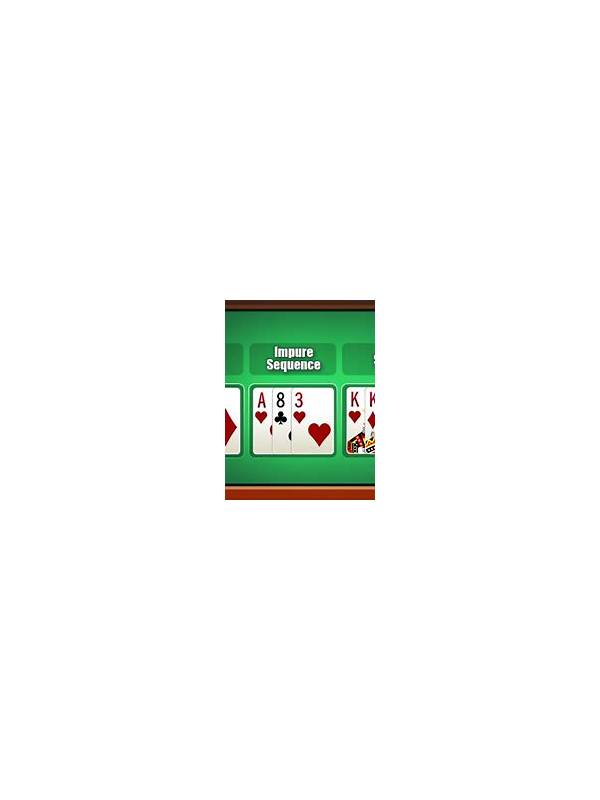
Then verify the rule-specific requirement. Some forms of rummy require one or more pure sequences or impose a minimum group structure. Do not rely on a rule remembered from a different variant. If the table or app displayed a rule summary, consult it before committing. A valid-looking arrangement under one format may fail under another.
Finally, ask whether you are clicking because the hand is legal or because you are tired of waiting. Those are different reasons. If the check passes, declare with confidence. If one group remains uncertain, keep the hand intact and investigate the exact issue if the interface allows it. A rehearsal takes only a few seconds, but it turns the final action from an emotional release into a deliberate decision. You can adapt the rehearsal to a physical or digital table. With physical cards, point to each group without lifting it and say its requirement. With a digital hand, use the sorting view only if it does not change the action or hide important information. If the platform offers an undo period, do not treat it as permission to click carelessly; use the same check before the declaration. Rehearsal is most valuable when the hand looks obvious, because confidence is precisely what can shorten attention at the final moment. If anything remains unclear, delay the action until the rule is confirmed. A pause is preferable to relying on a convenient interpretation.
Related Post
Rummy Safety FAQ: How Should Beginners Set Limits?
Beginners can use time, spending, and break limits to keep online rummy recreational and controlled. [...]
Rummy Strategy: Count Unused Cards in Each Candidate Group
Counting the cards that a plan leaves without a role helps distinguish efficient groupings from [...]